Railing systems are essential architectural elements that combine safety, durability, and modern design. At Highco Metal, we specialize in precision-engineered railing solutions and supporting hardware for residential, commercial, and architectural applications.
This guide focuses on railing system accessories, explaining their functions, terminology, and real-world applications from a product-oriented perspective aligned with professional railing and hardware standards. It is written to support engineers, contractors, architects, and buyers seeking reliable information on railing hardware components used in complete railing systems.
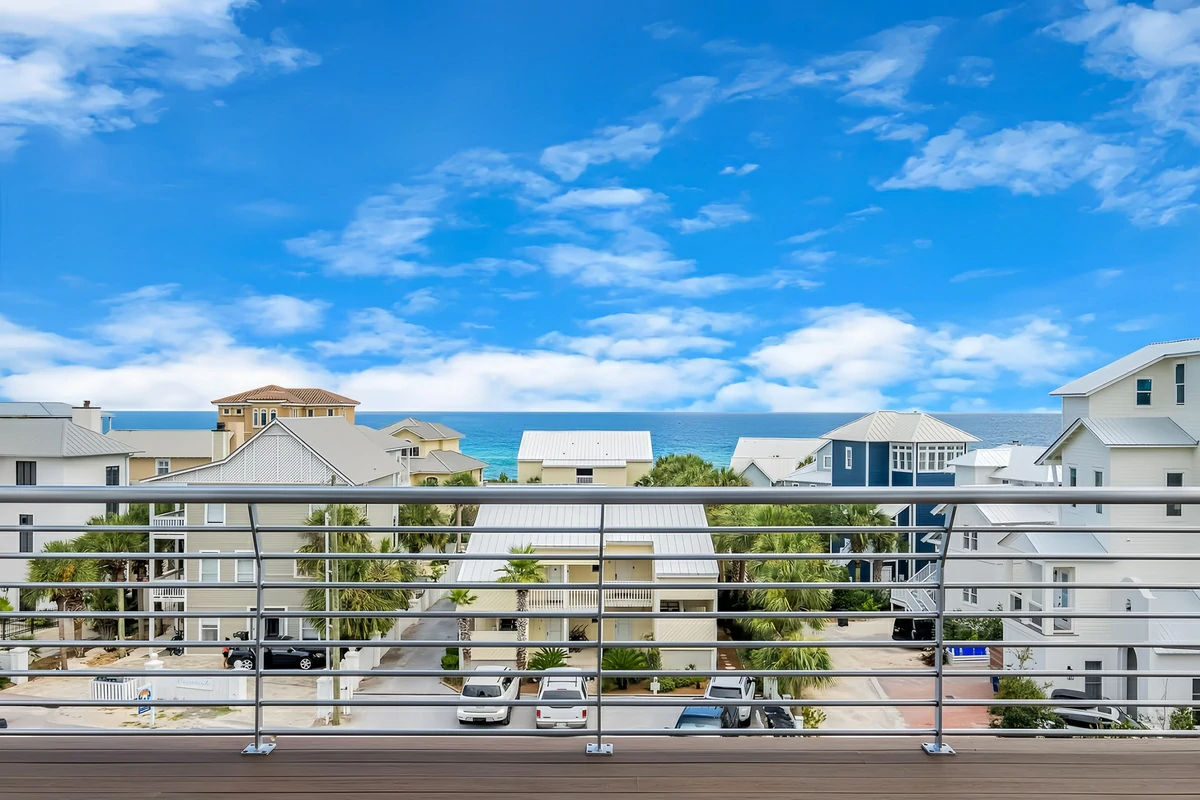
What Are Railing System Accessories?
Railing system accessories refer to the supporting hardware and fittings that connect, secure, and finish a railing system. These components ensure structural integrity, compliance with safety standards, and a clean, professional appearance.
Commonly grouped under railing hardware, these accessories are essential for installing and maintaining systems such as metal railings, glass railings, and handrail systems.
Railing Accessories List: Core Components
Below is a structured railing accessories list covering the most commonly used components in modern railing systems.
1. Posts and Mounting Hardware
Posts form the vertical structure of a railing system.
- Base-mounted posts
- Side-mounted posts
- Core-drilled posts
- Base plates and anchor bolts
These components transfer loads to the substrate and are fundamental to system safety.
2. Handrail Hardware
Handrails provide guidance and support for users.
- Handrail brackets
- Handrail connectors
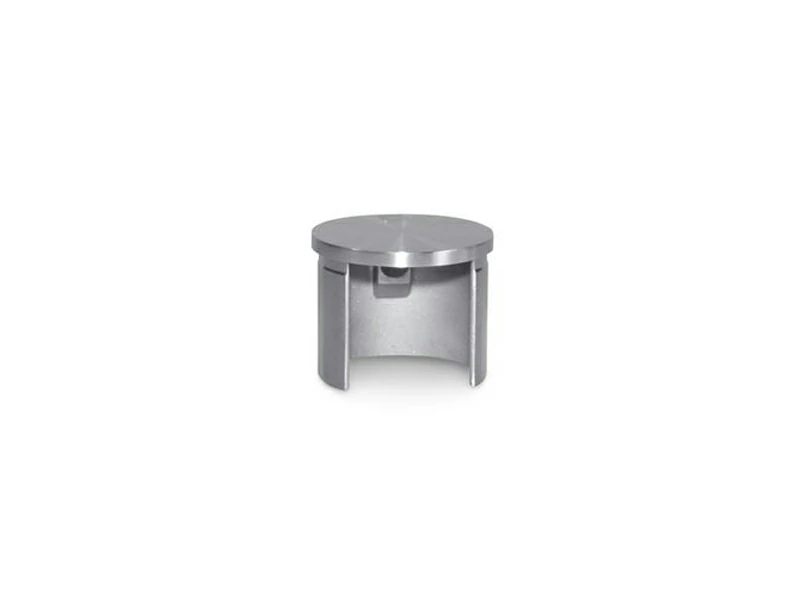
- End caps and returns
- Wall-mounted handrail supports
High-quality handrail hardware ensures comfort, durability, and code compliance within a handrail system.
3. Railing Fittings and Connectors
Railing fittings connect various system elements.
- Elbow connectors
- Adjustable joints
- Straight connectors
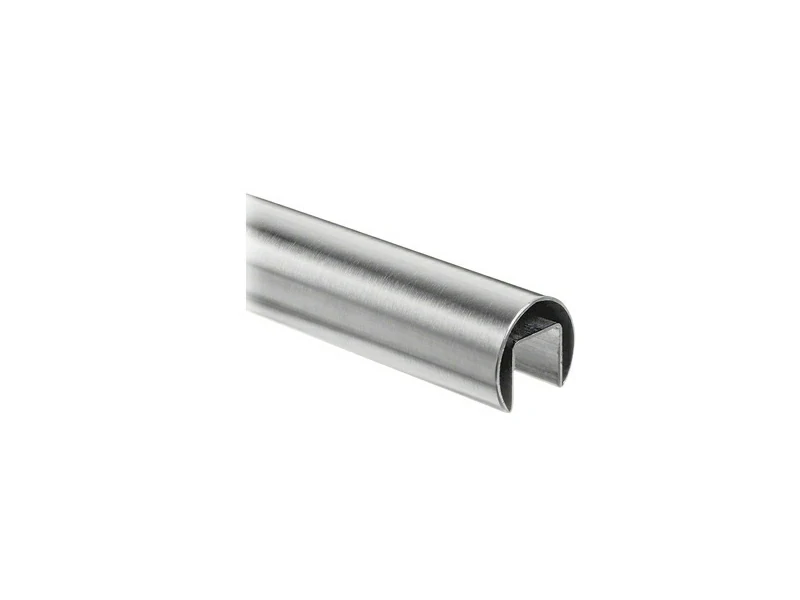
- Tube and pipe fittings
These fittings allow flexibility in design while maintaining strength and alignment.
4. Glass Railing Accessories
Glass railings require specialized hardware for secure installation.
- Glass clamps
- Glass spigots
- Standoff pins
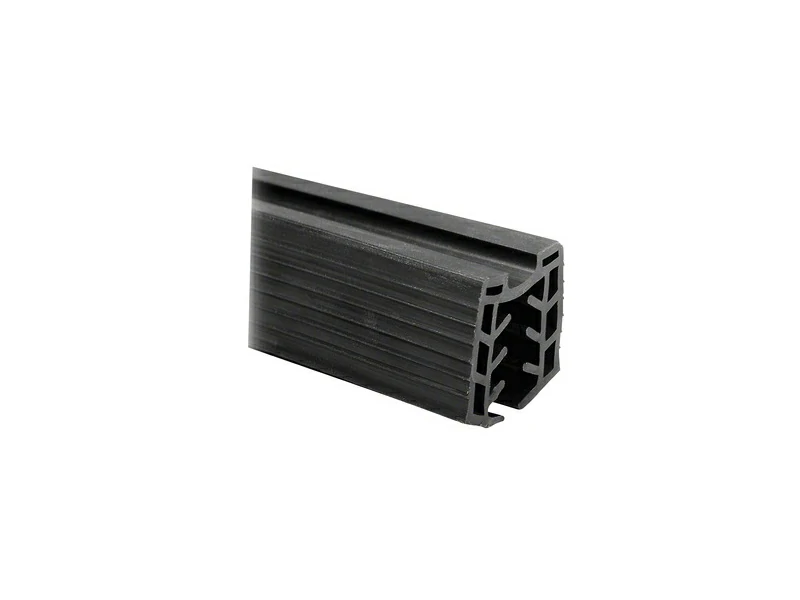
- Gaskets and rubber inserts
These accessories provide strong grip without damaging the glass, while maintaining a minimalist appearance.
5. Infill Components
Infill elements fill the space between posts and handrails.
- Glass panels
- Stainless steel rods
- Cable railing kits
- Mesh or bar infills
Infill choices impact both safety and visual style within a railing system.
6. Fasteners and Fixings
Fasteners secure all components together.
- Bolts and screws
- Expansion anchors
- Threaded rods
- Washers and nuts
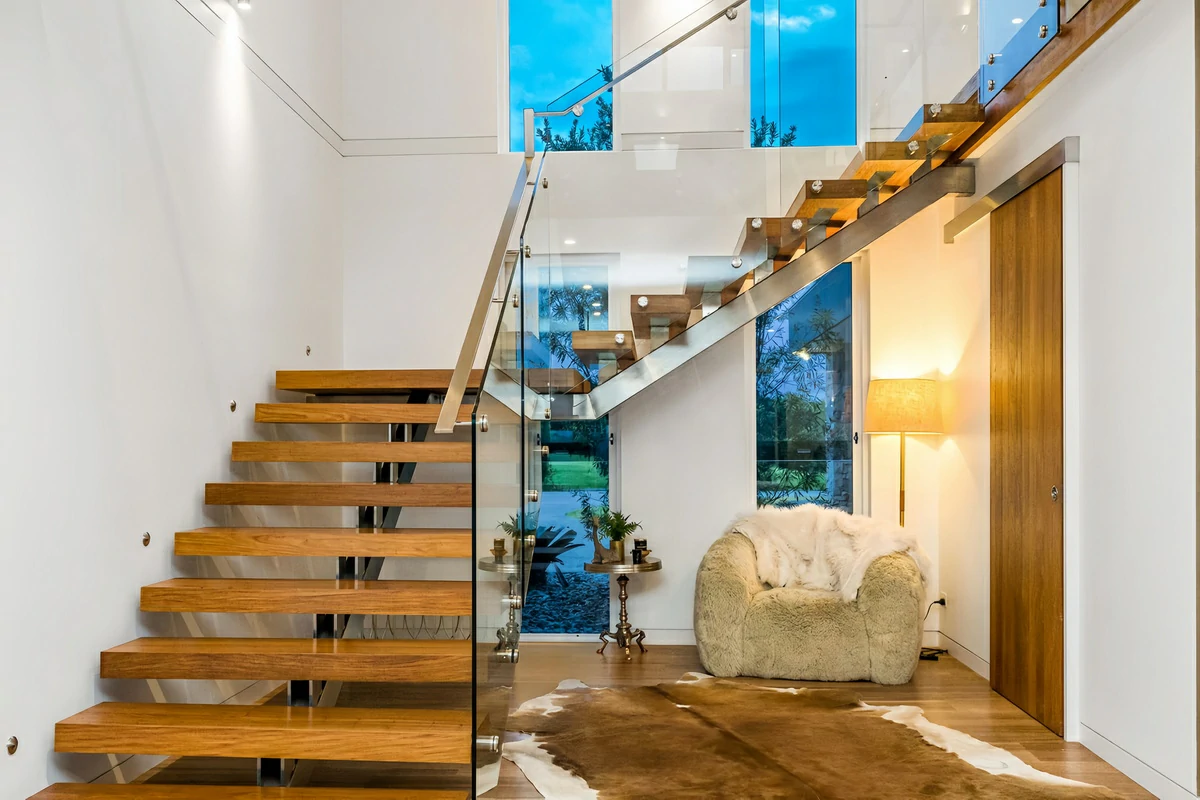
Corrosion-resistant fasteners are critical for outdoor and coastal applications.
Stainless Steel
- Excellent corrosion resistance
- Suitable for indoor and outdoor use
- Common grades include 304 and 316
Aluminum
- Lightweight and corrosion-resistant
- Ideal for modern architectural designs
- Often powder-coated for added protection
Glass
- Tempered or laminated safety glass
- Used primarily in glass railing systems
- Requires precise hardware compatibility
Zinc Alloy and Carbon Steel
- Used for decorative or cost-sensitive applications
- Typically surface-treated for corrosion protection
How Railing Hardware Works as a System
A complete railing system is an integrated structure. Posts provide support, handrail hardware ensures usability, railing fittings connect elements, and fasteners maintain stability. When designed correctly, these railing hardware components work together to meet safety codes, load requirements, and aesthetic goals.
Understanding compatibility between accessories is essential for smooth installation and long-term performance.
Key Factors When Selecting Railing System Accessories
When choosing railing accessories, consider the following:
- Application environment: indoor vs. outdoor, coastal or industrial exposure
- Load and safety requirements: building codes and standards
- Material compatibility: avoid galvanic corrosion
- Design style: modern, industrial, or traditional
- Ease of installation and maintenance
Selecting the right accessories ensures a durable and compliant railing system.
Common Applications of Railing Accessories
Railing system accessories are widely used in:
- Residential balconies and staircases
- Commercial buildings and offices
- Public infrastructure and walkways
- Hotels, malls, and architectural projects
- Industrial platforms and mezzanines
Each application may require different configurations of railing hardware and fittings.
Conclusion
Railing system accessories are the backbone of safe, durable, and professional railing installations. From structural posts and handrail hardware to glass railing fittings and corrosion-resistant fasteners, each component contributes to the overall performance and longevity of the railing system.
By understanding the complete railing accessories list and how individual railing hardware components integrate within a system, project stakeholders can ensure compliance, reliability, and a refined architectural finish.
At Highco Metal, we are committed to delivering high-quality railing hardware and metal solutions engineered for strength, precision, and long-term performance.
👉 Visit www.highcorailing.com to explore our product range or contact the Highco Metal team for technical support and project-specific solutions.