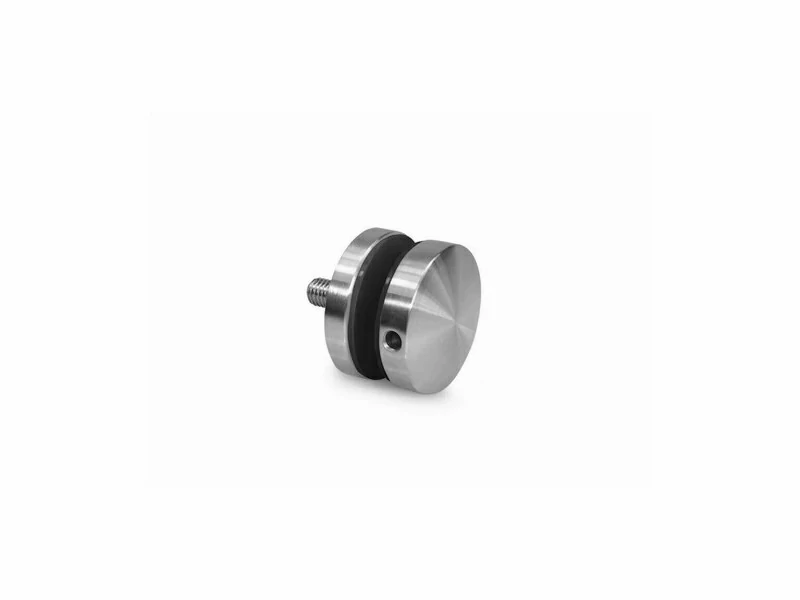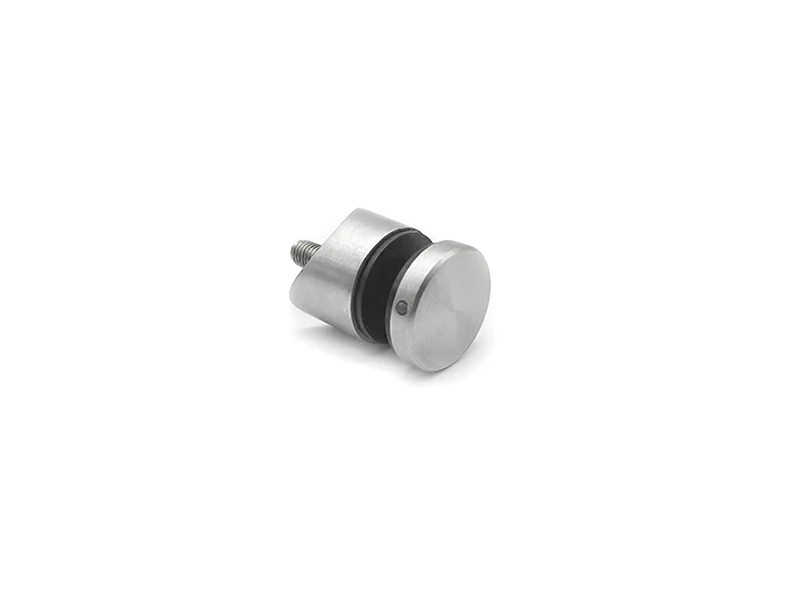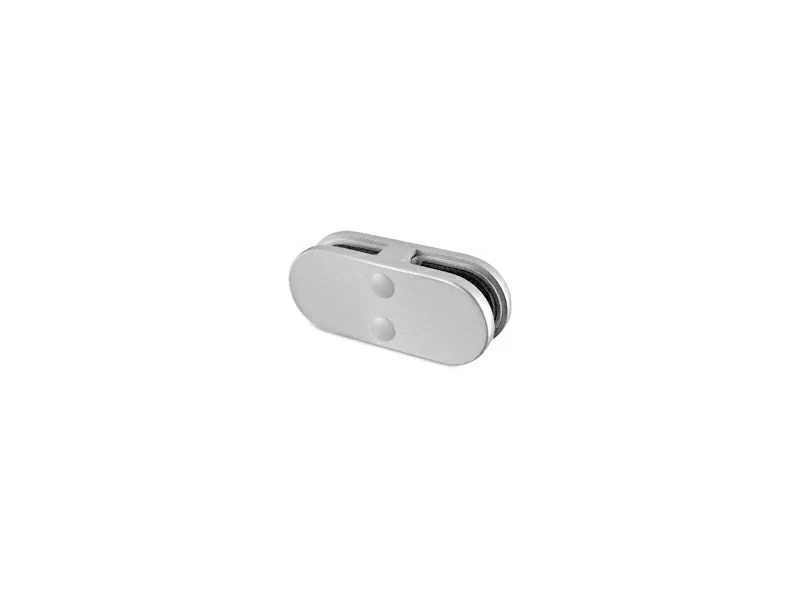
In contemporary architectural railing design, selecting the right mounting system is a balance between structural performance, safety compliance, and visual minimalism. Among the most widely used solutions are glass spigot clamps and glass clamps—two essential components in frameless glass railing hardware systems.
For specifiers and engineers, understanding how these systems differ in load transfer, installation methodology, and application suitability is critical to achieving both design intent and code compliance.
This guide provides a technical comparison of stainless steel glass spigots and glass clamps, enabling informed specification decisions across balconies, staircases, and pool fencing systems.
What Are Glass Spigots?
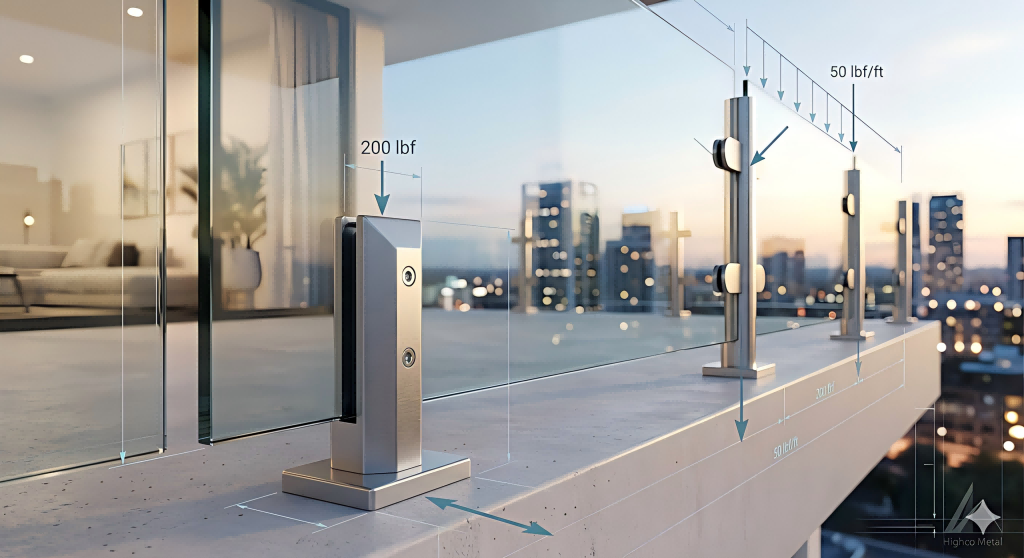
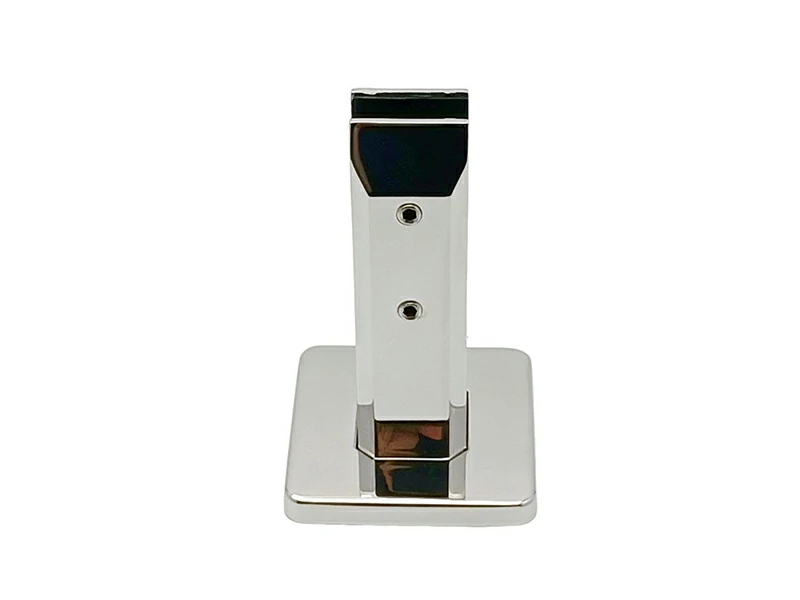
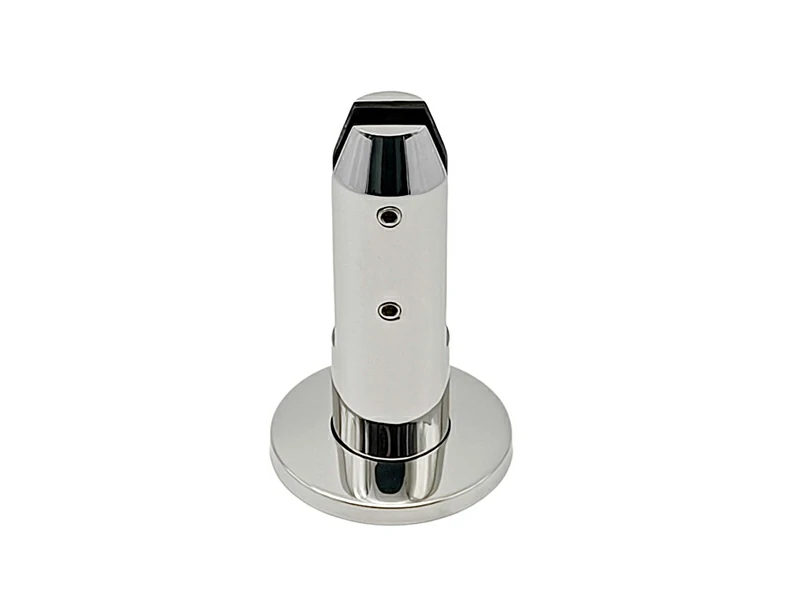
Glass spigots (commonly called Glass spigots clamps) are base-mounted supports designed to secure glass panels from the bottom edge, eliminating the need for vertical posts or frames. Often described as “mini-posts,” these components are fundamental to achieving a true frameless glass railing system.
Key Features
- Base-mounted (surface-mounted or core-drilled)
- Transfers loads directly to the substrate (concrete or steel)
- Supports glass panels without vertical framing
- Integrated adjustment for alignment and leveling
Material Options
- SS304: Suitable for indoor applications
- SS316: Required for outdoor, coastal, or pool environments due to superior corrosion resistance
Typical Applications
- Frameless balcony railings
- Frameless pool fencing systems
- Terrace and deck glass barriers
- Staircases with floor-mounted glass
|
|
|
What Are Glass Clamps?
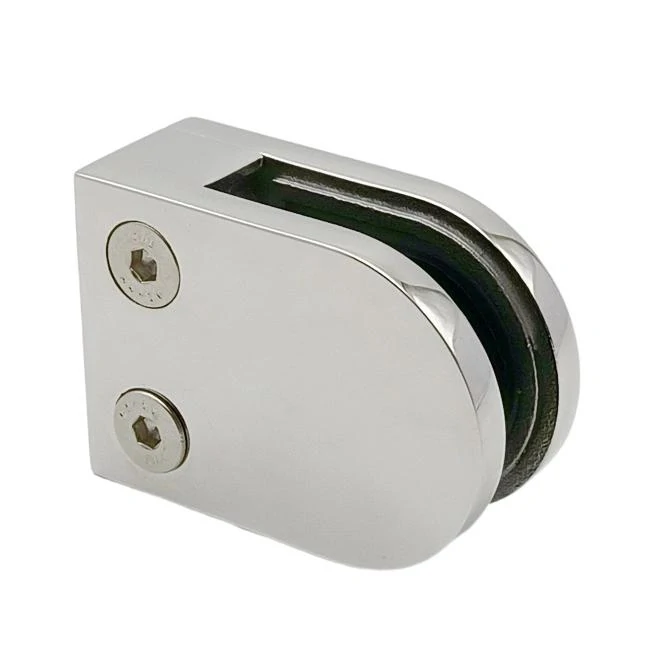
Glass clamps are side-mounted connectors used to fix glass panels to supporting structures such as posts, walls, or handrails. Unlike spigots, they depend on an external framework for stability.
Key Features
- Side-mounted to posts or structural elements
- Requires vertical supports (tube posts or walls)
- Compact and cost-efficient
- Suitable for semi-frameless systems
Typical Applications
- Staircase railings
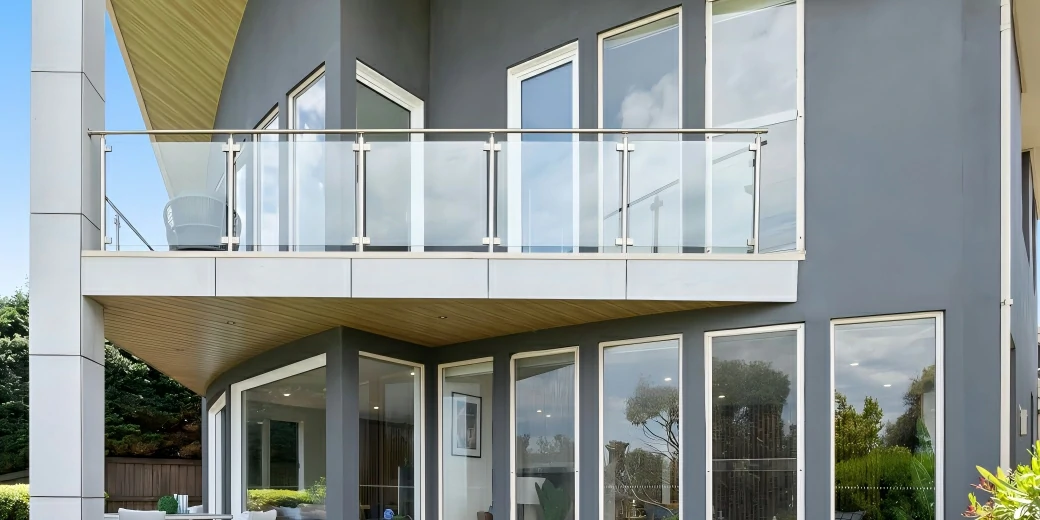
- Post-supported balcony systems
- Interior glass partitions
- Hybrid railing designs
|
|
|
Glass Clamps vs. Glass Spigots: Which Is Better for Balconies?
1. Structural Performance
- Glass Spigot Clamps: Transfer loads through the base, allowing glass panels to act as self-supporting barriers. Ideal for unobstructed designs.
- Glass Clamps: Depend on posts for load distribution, offering additional reinforcement where required.
2. Aesthetic Outcome
- Spigots: Fully frameless, clean sightlines, premium architectural appeal.
- Clamps: Visible hardware and posts, more conventional appearance.
3. Installation Complexity
- Spigots: Require precise anchoring, substrate preparation, and alignment tolerance control.
- Clamps: Easier installation due to reliance on pre-installed posts.
4. Cost Considerations
- Spigots: Higher upfront cost (material + installation precision).
- Clamps: More economical and faster to deploy.
Verdict
- Use glass spigot clamps for high-end, frameless balcony systems.
- Use glass clamps for cost-sensitive, structurally supported designs.
Frameless Pool Glass Fencing: Clamps or Spigots?
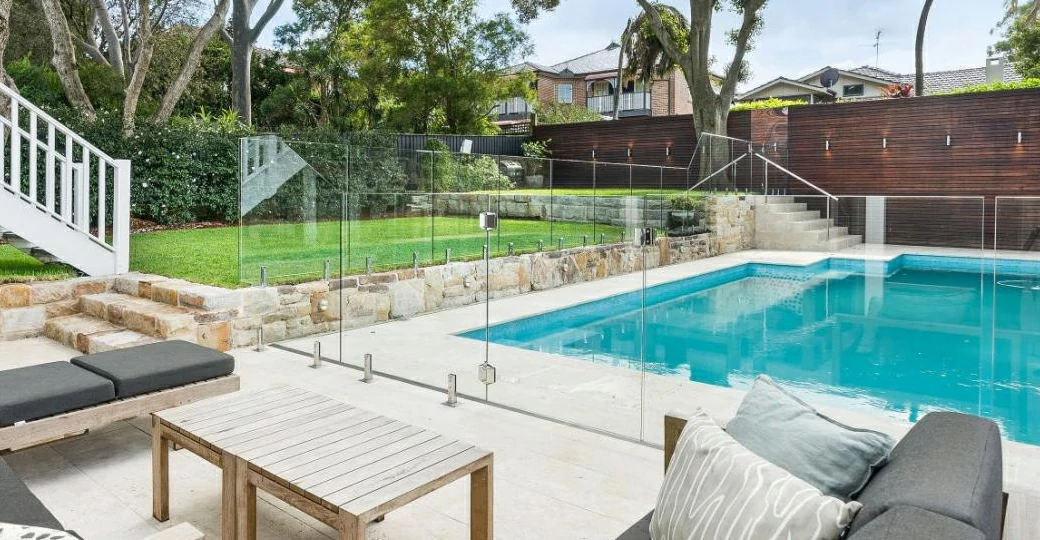
For frameless pool glass fencing clamps spigots, glass spigots are the industry-preferred solution.
Why Spigots Are Preferred
- No horizontal rails → improved visibility and supervision.
- Superior drainage and corrosion resistance (especially SS316).
- Cleaner, modern aesthetics.
- Reduced dirt and water accumulation points.
Glass clamps may be used in hybrid systems but are rarely specified for fully frameless pool fencing.
Key Specification Criteria for Engineers
1. Load and Code Compliance
- Verify line load and point load requirements per local standards.
- Ensure hardware is tested and certified for structural performance.
2. Glass Thickness Compatibility
- Common specifications: 10mm, 12mm, or laminated glass.
- Ensure clamp/spigot design matches glass thickness.
3. Material Selection
- SS316: Suitable for outdoor, marine, or poolside environments.
- SS304: Suitable for interior applications.
4. Installation Conditions
- Spigots: surface-mounted vs. core-drilled.
- Clamps: post spacing, anchoring, and structural support.
5. Maintenance & Lifecycle
- Select corrosion-resistant finishes.
- Consider accessibility for inspection and adjustment.
Advantages of Stainless Steel Glass Spigots
- Super corrosion resistance (especially SS316).
- Long service life in harsh environments.
- High load-bearing capacity.
- Minimal visual obstruction.
- Ideal for premium frameless designs
When to Choose Glass Clamps Instead
Glass clamps are the better option when:
Structural posts are already part of the design.
Budget constraints are significant.
Faster installation is required.
A semi-frameless aesthetic is acceptable.
Conclusion
Both glass spigot clamps and glass clamps are integral to modern railing systems, but their applications differ significantly in terms of structure, aesthetics, and cost.
- Glass spigots: Best for frameless, high-end, and outdoor systems.
- Glass clamps: Ideal for post-supported, cost-effective installations.
For specifiers and engineers, the optimal choice depends on design intent, structural requirements, environmental exposure, and budget constraints. Selecting the right frameless glass railing hardware ensures long-term safety, durability, and architectural value.