Selecting the right railing accessories is essential for achieving long-term durability, safety, and visual appeal in any architectural project. Whether designing a residential deck, commercial balcony, staircase, or coastal installation, the debate around Stainless Steel vs Aluminum Railing Accessories remains one of the most important considerations for architects, contractors, and homeowners.
Both materials are widely used in modern railing systems because they offer corrosion resistance, modern aesthetics, and structural reliability. However, they differ significantly in strength, maintenance requirements, installation complexity, and overall performance. Understanding these differences helps determine which solution is best suited for your project requirements and budget.
This guide compares aluminum railing hardware and stainless railing fittings in detail, helping you make a more informed specification decision.
Stainless Steel Railing Accessories: Premium Strength and Architectural Appeal
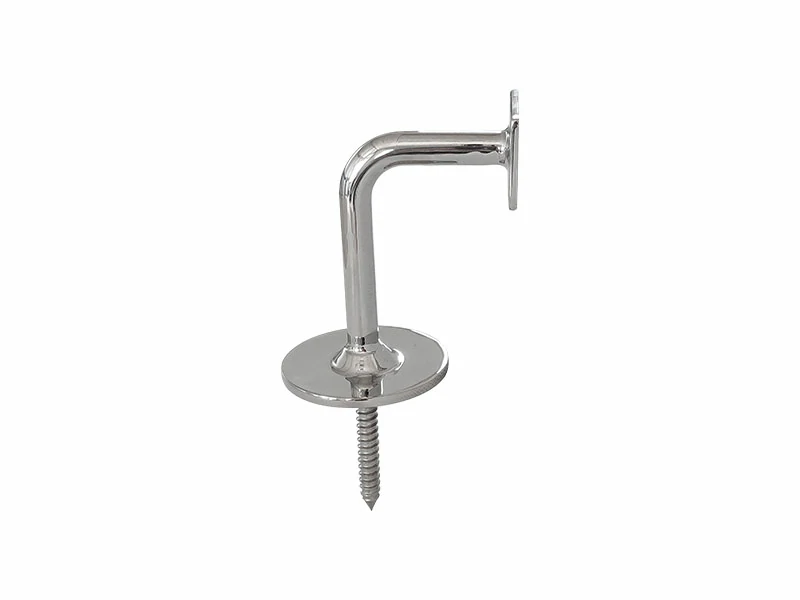
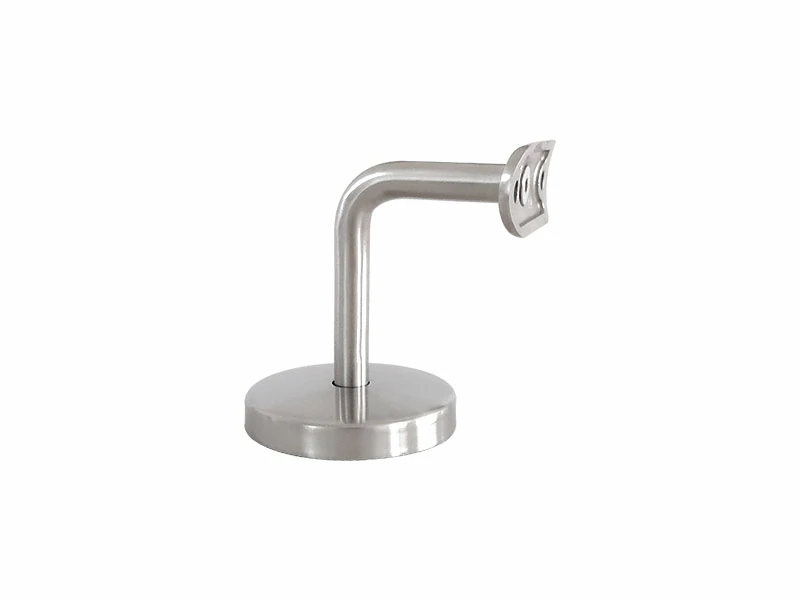
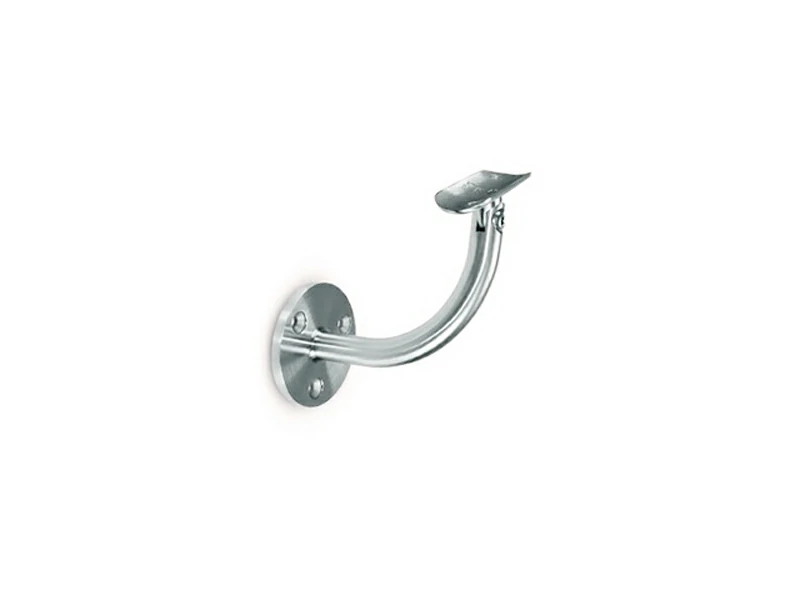
Stainless railing fittings are commonly manufactured from 304 or 316 stainless steel using precision casting or machining processes. Stainless steel is widely considered the premium option for modern railing systems due to its exceptional strength, durability, and refined metallic appearance.
Because of its high tensile strength and rigidity, stainless steel is often specified for:
- Commercial buildings
- Public infrastructure
- Luxury residential projects
- Coastal installations
- Frameless glass railing systems
Its polished or satin finish creates a clean, contemporary appearance that complements modern architecture particularly well.
Benefits of Stainless Steel Railing Accessories
- Excellent structural strength
- Superior load-bearing performance
- Long service life
- Premium brushed or mirror-polished finish
- Outstanding corrosion resistance
- Suitable for heavy-duty applications
SS304 vs SS316
SS304: Suitable for most indoor and outdoor environments
SS316: Recommended for coastal, marine, or chlorine-exposed areas due to enhanced corrosion resistance

Aluminum Railing Hardware: Lightweight and Cost-Effective Performance
Aluminum railing hardware is widely used in residential railing systems because it combines corrosion resistance with lightweight installation advantages.
Aluminum systems are commonly installed in:
- Residential decks
- Outdoor staircases
- Patios and terraces
- Balcony railings
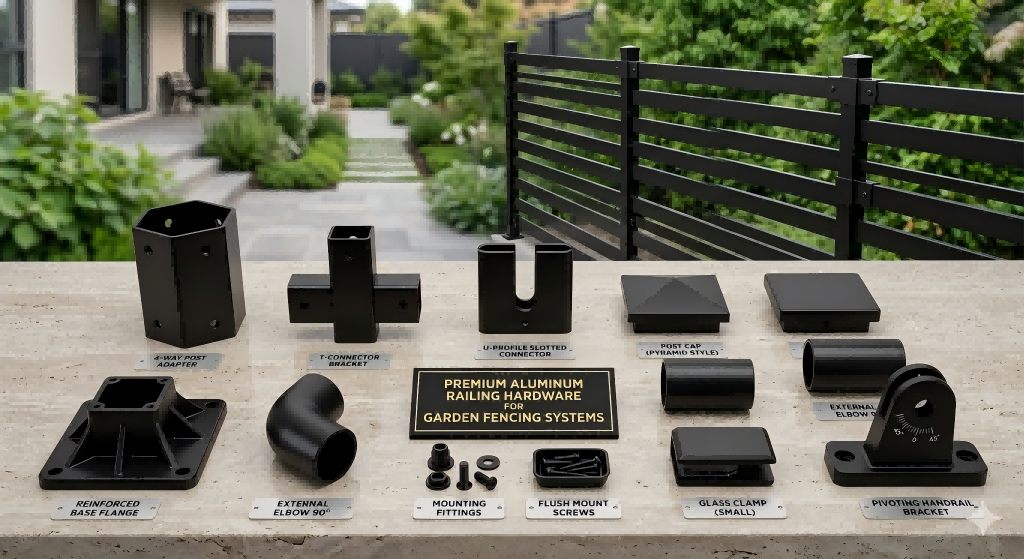
- Garden fencing systems
Because aluminum weighs significantly less than stainless steel, it is easier to transport, cut, and install. This can reduce labor costs and simplify construction logistics.
Benefits of Aluminum Railing Hardware
- Lightweight construction
- Faster installation
- Lower transportation costs
- Good corrosion resistance
- Powder-coated color options
- Budget-friendly pricing
Powder coating also allows aluminum railings to match a wide variety of architectural styles and color schemes.
Stainless Steel vs Aluminum Handrail: Key Differences
1. Strength and Structural Performance
Stainless Steel
Stainless steel offers significantly greater strength and rigidity. It performs exceptionally well under heavy loads and high-traffic conditions, making it ideal for commercial and structural applications.
Because stainless steel can support higher loads with slimmer profiles, it is frequently used in minimalist architectural railing designs.
Aluminum
Aluminum provides sufficient strength for most residential projects but is softer and more flexible than stainless steel. It may dent or deform more easily under impact.
Winner: Stainless Steel
For demanding structural applications and maximum durability, stainless steel is generally superior.
2. Corrosion Resistance
Stainless Steel
Stainless steel resists:
- Moisture
- UV exposure
- Temperature fluctuations
- Corrosion and rust
316 stainless steel performs especially well in marine and coastal environments.
Aluminum
Aluminum naturally forms a protective oxide layer, making it highly corrosion resistant in normal outdoor environments. However, harsh saltwater conditions may eventually cause pitting or surface deterioration.
Winner: Tie
Both materials provide strong corrosion resistance when properly selected for the environment.
3. Weight and Installation
Stainless Steel
The higher density of stainless steel increases:
- Transportation weight
- Labor effort
- Structural load requirements
Installation may require more manpower and stronger support systems.
Aluminum
Aluminum’s lightweight properties simplify:
- Transportation
- Handling
- On-site installation
This makes aluminum especially attractive for decks and balcony systems.
Winner: Aluminum
Aluminum railing systems are easier and faster to install.
4. Appearance and Design Flexibility
Stainless Steel
Stainless steel provides:
- Premium metallic aesthetics
- Satin brushed finishes
- Mirror-polished luxury appearance
- Modern architectural styling
It pairs particularly well with glass railing systems and minimalist designs.
Aluminum
Aluminum offers greater color flexibility because of powder coating technology. It is available in:
- Black
- White
- Bronze
- Custom architectural colors
However, aluminum lacks the deep metallic appearance and premium weight associated with stainless steel.
Winner: Depends on Design Goals
- Choose stainless steel for luxury modern aesthetics
- Choose aluminum for broader color customization
5. Maintenance Requirements
Stainless Steel
Stainless steel requires occasional cleaning to maintain its finish, especially in coastal or polluted environments.
Aluminum
Aluminum is generally considered very low maintenance. Powder-coated finishes help reduce fading and weather-related wear.
Winner: Aluminum
Aluminum typically requires slightly less ongoing maintenance.
Stainless Steel vs Aluminum Railing Pros and Cons
|
Feature |
Stainless Steel |
Aluminum |
|
Strength |
Excellent |
Good |
|
Weight |
Heavy |
Lightweight |
|
Corrosion Resistance |
Excellent |
Very Good |
|
Appearance |
Premium Metallic Finish |
Powder-Coated Variety |
|
Maintenance |
Low |
Very Low |
|
Cost |
Higher |
Lower |
|
Lifespan |
Very Long |
Long |
|
Best for Heavy Loads |
Yes |
Moderate |
Which Is Better: Aluminum or Steel Railings?
A common question is:
Which is better aluminum or steel railings?
The answer depends on project priorities.
Choose Stainless Steel When:
- Structural strength is critical
- Long-term durability is required
- The project is near coastal environments
- Premium aesthetics matter
- Heavy public traffic is expected
Choose Aluminum When:
- Budget is limited
- Lightweight installation is preferred
- Low maintenance is the priority
- Residential applications are involved
Neither material is universally better. The correct choice depends on:
- Environment
- Structural requirements
- Design goals
- Maintenance expectations
- Overall project budget
- Real-World Application Scenarios
- Coastal and Poolside Decks
For projects exposed to salt air or chlorine, 316 stainless steel railing accessories provide superior long-term corrosion resistance.
Project-Specific Recommendations
The Coastal or Poolside Deck
When comparing stainless steel vs aluminum railing for deck areas near salt air or chlorine, Grade 316 stainless steel is the clear winner. Aluminum can corrode or "pit" over time if the protective coating fails in these harsh environments.
The Modern Interior Staircase
For a "less is more" aesthetic, stainless railing fittings—such as sleek Square Tube Base Covers or slim U-Profile Fittings—provide a seamless, professional look that aluminum struggles to replicate.
Commercial High-Traffic Areas
For commercial spaces, durability is paramount. Heavy-duty stainless steel components, such as a 100x100mm Base Flange with reinforcement ribs, ensure the system remains anchored and secure under constant use.
Final Thoughts
When comparing stainless steel vs aluminum railing accessories, both materials offer valuable advantages depending on the specific needs of the project.
Stainless steel stands out for its superior strength, long lifespan, corrosion resistance, and premium appearance, making it ideal for commercial, architectural, and marine applications. Aluminum, meanwhile, provides lightweight performance, easier installation, lower maintenance, and greater affordability, which makes it highly attractive for residential projects.
By understanding the differences between aluminum railing hardware and stainless railing fittings, architects, contractors, and property owners can confidently select the railing solution that best balances performance, aesthetics, and budget for their specific project.