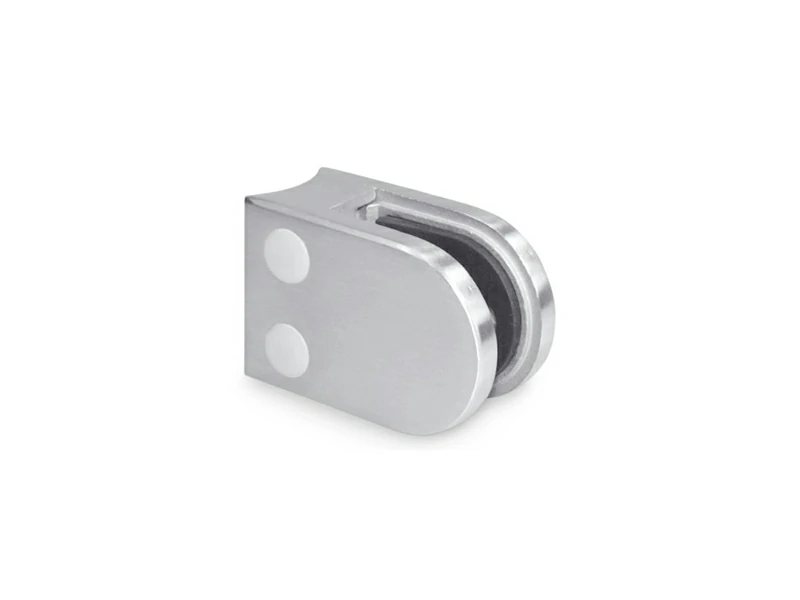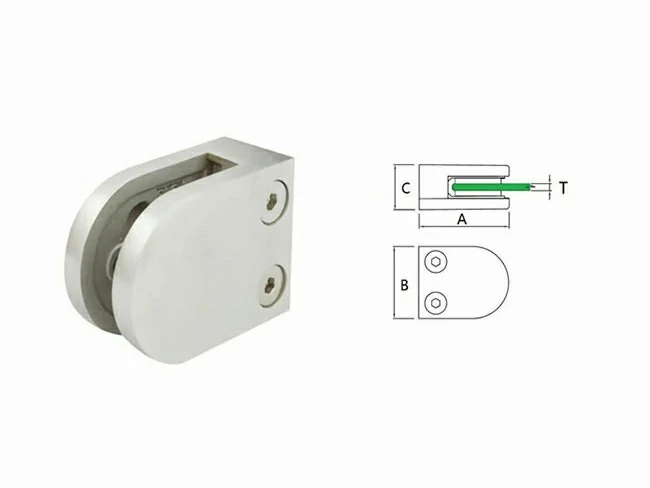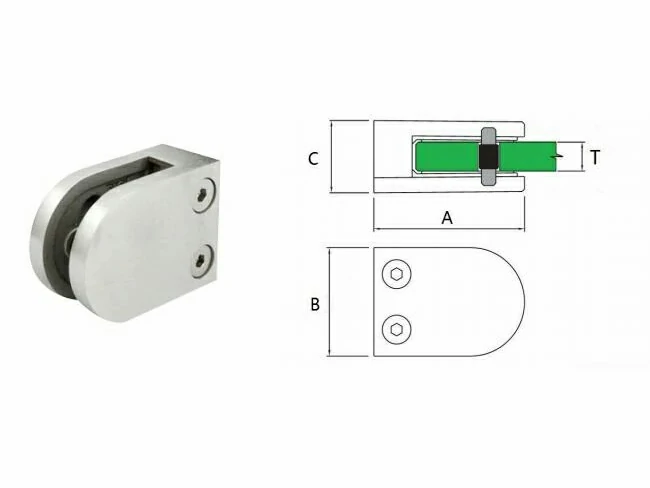
Modern architecture increasingly favors transparent design elements, and Glass Railing Spigots play a key role in achieving this aesthetic. These components allow frameless glass panels to be securely mounted while maintaining an open and minimalist look. A properly installed spigot glass railing system provides safety, durability, and unobstructed views—making it ideal for balconies, decks, terraces, and staircases.
In this guide, we will explain what glass balustrade spigots are, how to choose the right hardware, and how to correctly install glass handrail spigots for a professional and secure installation.
What Are Glass Railing Spigots?
Glass railing spigots are stainless steel mounting brackets used to support frameless glass panels in modern glass railing systems. Instead of using bulky frames, spigots clamp the glass at the base, creating the floating appearance commonly associated with frameless glass balustrade spigots.
These fittings are commonly used in:
- Residential glass railing systems
- Deck glass railing installations
- Balconies and terraces
- Pool fencing
- Commercial architectural glass railings
Most glass handrail spigots are manufactured from 304 or 316 stainless steel, ensuring strength and corrosion resistance. For contemporary design projects, glass balustrade spigots black (powder-coated finishes) are also popular.
Types of Glass Balustrade Spigots
Choosing the correct spigot type is essential for structural safety and visual design.
Square Glass Railing Spigots
- Minimalist geometric design
- Popular for modern architectural projects
- Common in frameless glass balustrade spigots
Round Glass Railing Spigots
- Smooth and elegant profile
- Frequently used in residential railings
Side-Mounted Spigots
- Installed on the side of a slab or deck
- Maximizes floor space
Core-Drilled Spigots
- Installed directly into concrete surfaces
- Creates a seamless appearance
Each type can be integrated into different glass railing systems depending on structural requirements.
Tools and Materials Needed
Before installing Glass Railing Spigots, prepare the following tools and materials:
- Glass railing spigots
- Tempered or laminated glass panels
- Measuring tape
- Spirit level or laser level
- Power drill and drill bits
- Anchor bolts or expansion anchors
- Rubber gaskets or protective inserts
- Wrench or socket set
- Protective gloves and safety gear
Proper preparation ensures smoother installation and improves the final result.

Step-by-Step Installation Guide
1. Plan the Glass Railing Spigot Layout
The structural integrity of frameless glass balustrade spigots depends heavily on accurate layout planning.
- Panel Requirements: Typically, each glass panel requires two spigots for balanced support.
- Edge Distance: Spigots should be placed approximately 150mm to 250mm from the vertical edge of the glass panel.
- Consistent Spacing: Maintain uniform distance between the two spigots on a single panel to ensure even weight distribution.
- Standard Guidelines: For panels between 1000–1200mm wide, spigot spacing is generally between 600–800mm.
- Alignment: Use a chalk line or laser level to ensure all mounting points are perfectly aligned along the installation path.
2. Select the Right Hardware
Choosing the correct material and mounting type improves the durability of your spigot glass railing system.
Important factors include:
Material
- AISI 316 stainless steel for outdoor or coastal installations
- Duplex 2205 stainless steel for high-corrosion environments
Finish Options
- Satin brushed stainless steel
- Mirror polished stainless steel
- Glass balustrade spigots black (powder-coated)
Mounting Type
- Core-drill spigots for concrete installations
- Base-plate spigots for wood decks or finished surfaces
3. Mark and Drill the Mounting Holes
Begin by marking the bolt hole positions using a base plate template. For deck glass railing on timber, pre-drill pilot holes to prevent wood splitting. For concrete surfaces, use a hammer drill or core drill depending on whether you are using base-plated or core-drilled spigots.
4. Secure the Spigots to the Surface
Anchor the spigots to the substrate using lag screws for wood or expansion bolts for concrete. It is vital to use a spirit level to ensure each spigot is vertically "plumb". High-quality hardware often includes internal adjustment screws to assist with this precision leveling.
5. Install the Glass Panels
Insert protective rubber gaskets into the spigots to prevent direct metal-to-glass contact. Carefully position the glass panel into the clamps and tighten the mechanism. Ensure the top edges of all panels are perfectly horizontal before the final tightening of the friction bolts.
6. Final Adjustment and Inspection
After installation:
- Adjust spigots to align the top edges of all glass panels.
- Tighten the friction bolts without over-tightening.
- Clean the stainless steel components to remove fingerprints and dust.
- Proper finishing ensures your architectural glass railings look professional and remain structurally secure.
Common Installation Mistakes to Avoid
Avoid these common issues when installing Glass Railing Spigots:
- Incorrect Spigot Spacing: Excessive spacing reduces structural support.
- Weak Anchoring: Loose anchors compromise safety.
- Ignoring Level Alignment: Uneven spigots cause crooked glass panels.
- Incorrect Glass Thickness: Always confirm compatibility between glass panels and spigots.
Maintenance Tips for Glass Railing Spigots
Maintaining your frameless glass balustrade spigots helps extend their lifespan.
Recommended practices:
- Clean stainless steel surfaces regularly
- Inspect anchor bolts periodically
- Replace worn rubber gaskets when necessary
- Remove dirt or debris around the base
- Routine maintenance keeps your glass railing systems safe and visually appealing.
Benefits of Spigot Glass Railing Systems
A spigot glass railing system offers multiple advantages:
- Unobstructed views for balconies and decks
- Modern and minimalist design
- High durability with stainless steel components
- Increased property value and architectural appeal
These benefits explain why deck glass railing and frameless railing systems are increasingly popular in both residential and commercial construction.
Conclusion
Installing Glass Railing Spigots correctly is essential for creating safe and visually impressive railing systems. By planning the layout carefully, maintaining proper glass railing spigot spacing, and securing the hardware correctly, you can build a durable frameless glass balustrade system that enhances both safety and architectural style.
Whether used in residential glass railing systems, commercial buildings, or modern deck railings, high-quality glass spigots provide the perfect combination of strength, transparency, and contemporary design.