In modern architecture, railing systems are no longer viewed solely as safety features. They have become important design elements that influence aesthetics, functionality, and the overall user experience. While materials such as stainless steel, glass, and wood often receive the most attention, the choice between hidden railing hardware and exposed railing fittings can dramatically affect the final appearance of a railing system.
Hidden hardware creates clean, uninterrupted lines that support minimalist architecture, while exposed fittings highlight structural details and craftsmanship. Understanding the strengths and limitations of each approach helps architects, designers, contractors, and homeowners select the most appropriate solution for their projects.
This guide explores the pros, cons, and design impact of hidden and exposed railing hardware, helping you make an informed decision for both residential and commercial applications.
What Is Hidden Railing Hardware?
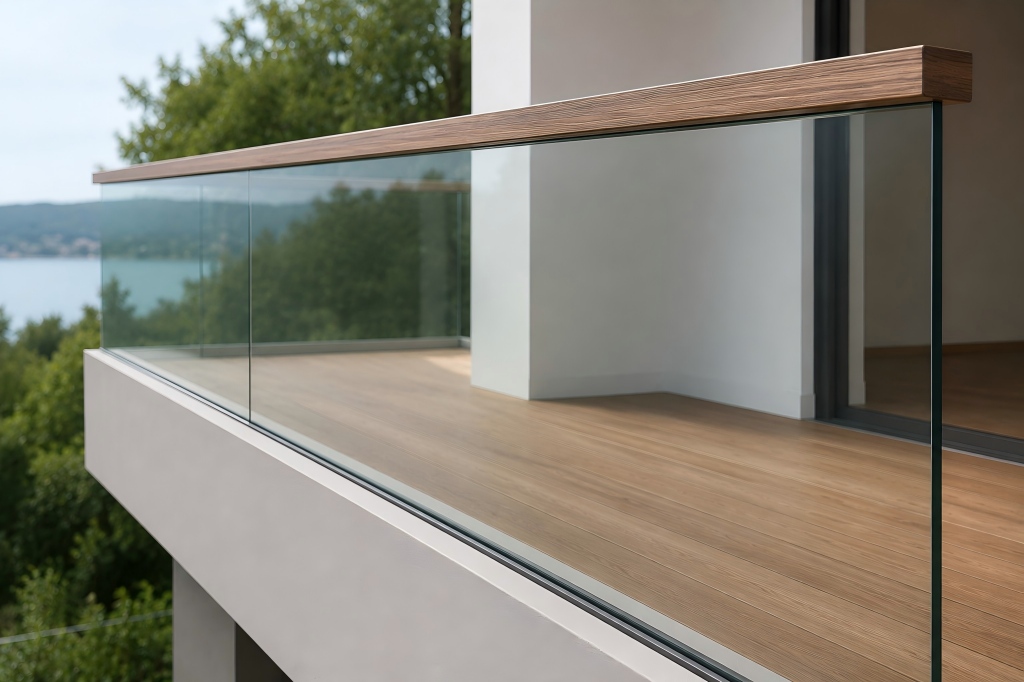
Hidden railing hardware refers to mounting systems, brackets, connectors, and fasteners that are concealed from view once installation is complete. These components are integrated within posts, handrails, walls, or structural elements to create a seamless appearance. Common examples include:
- Hidden railing brackets
- Concealed handrail brackets
- Hidden railing fasteners
- Internal tube connectors
- Recessed glass channel systems
- Embedded mounting plates
The primary goal is to minimize visible hardware so that the railing material itself becomes the focal point.
Popular Applications
- Frameless glass railings
- Floating staircases
- Luxury balconies
- Contemporary residential projects
- Modern commercial buildings
What Are Exposed Railing Fittings?
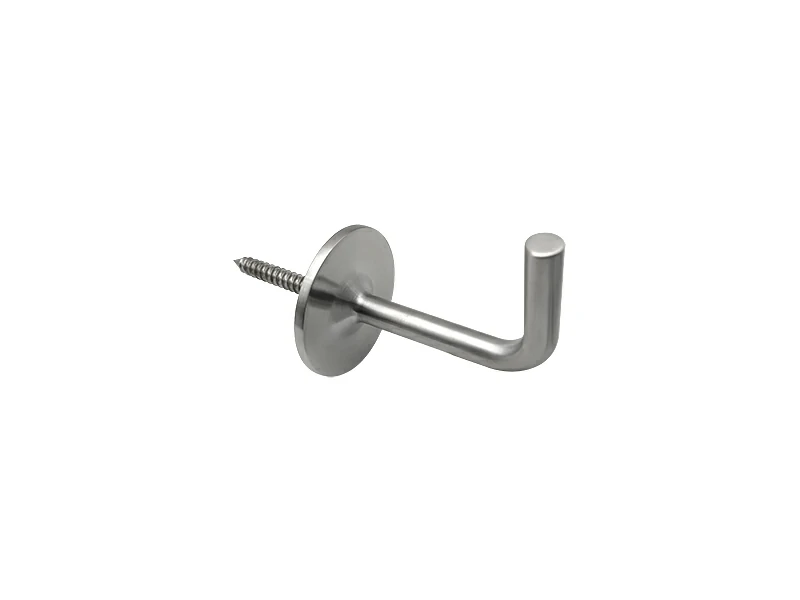
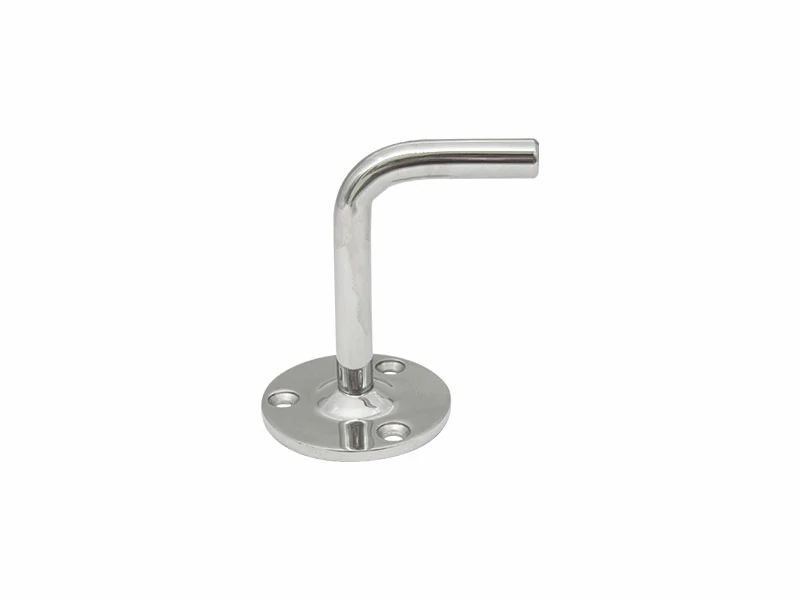
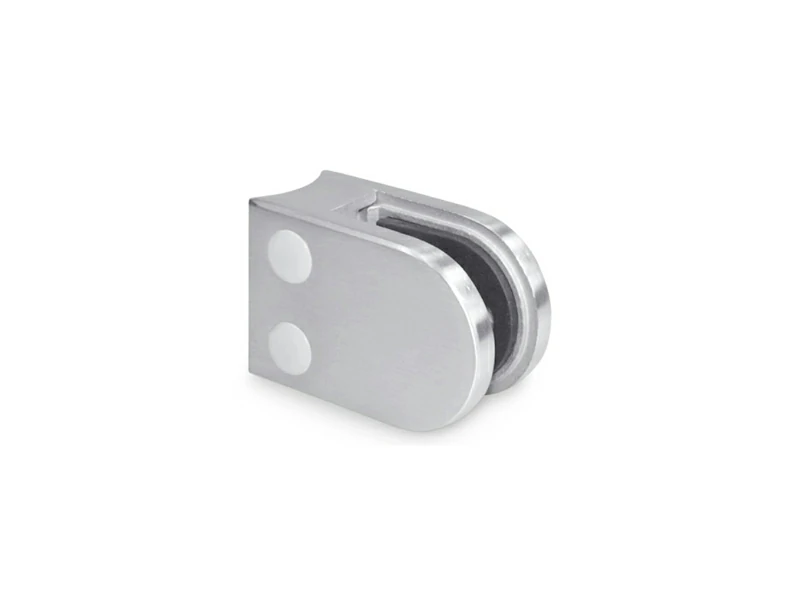
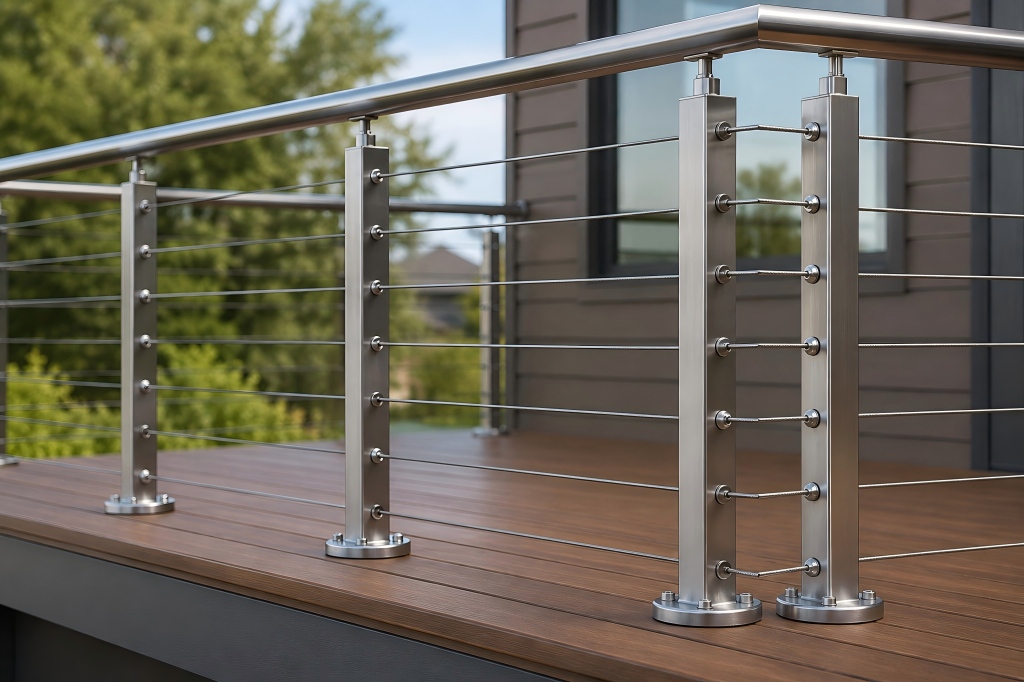
Exposed railing fittings are visible mounting components that remain part of the finished railing design. Rather than being concealed, they contribute to the overall aesthetic and often showcase engineering precision. Common examples include:
- Stainless steel brackets
- Glass clamps
- Surface-mounted connectors
- Decorative fasteners
- Base flanges
- Architectural bolts
Exposed fittings are frequently used in industrial, contemporary, and traditional railing systems where structural details are intentionally highlighted.
Advantages of Hidden Railing Hardware
Clean and Minimalist Appearance
One of the primary reasons designers choose hidden railing hardware is its ability to create a sleek, uncluttered appearance. Concealed systems eliminate visible mounting points, producing smooth transitions and uninterrupted sightlines. This approach is ideal for:
- Modern railing design
- Minimalist architecture
- Luxury residential interiors
- High-end hospitality projects
Improved Views and Transparency
For glass railing systems, hidden mounting solutions maximize visibility by removing visual obstructions. Benefits include:
- Uninterrupted ocean views
- Clear balcony sightlines
- Enhanced rooftop aesthetics
- Improved pool enclosure visibility
This is particularly valuable in premium architectural environments where views are a major design feature.
Enhanced Design Consistency
Concealed mounting systems allow flooring, glass panels, stair structures, and handrails to visually connect without distraction. The result is:
- Cleaner architectural lines
- Greater visual harmony
- More sophisticated design integration
Increased Safety and Comfort
Without exposed bolts or protruding hardware, concealed systems reduce the risk of accidental contact, clothing snags, and minor injuries. This advantage is particularly useful in:
- Residential staircases
- Hospitality environments
- Public-access buildings
Disadvantages of Hidden Railing Hardware
More Complex Installation
Installing hidden systems requires precision planning and fabrication. Challenges often include:
- Precise measurements
- Specialized drilling or milling
- Tighter installation tolerances
- Additional structural coordination
As a result, installation is generally more labor-intensive than exposed alternatives.
Higher Initial Cost
Because concealed systems involve specialized components and installation techniques, project costs are often higher. Additional expenses may include:
- Custom fabrication
- Engineering review
- Professional installation services
Limited Maintenance Access
When hardware is hidden inside walls, posts, or handrails, future inspections and repairs can be more difficult. Although failures are uncommon with quality materials, accessibility should still be considered during design.
Advantages of Exposed Railing Fittings
Easier Installation
Exposed railing fittings provide direct access to mounting points, making installation simpler and more efficient. Benefits include:
- Faster assembly
- Lower labor costs
- Easier alignment adjustments
- Simplified inspections
This makes exposed hardware particularly attractive for contractors and DIY installers.
Convenient Maintenance
Visible hardware can be inspected, adjusted, tightened, or replaced without dismantling major portions of the railing system. This is especially beneficial for:
- Commercial facilities
- Public infrastructure
- High-traffic environments
Distinctive Architectural Character
In many modern projects, exposed hardware is intentionally showcased as part of the design. Popular examples include:
- Stainless steel glass clamps
- Decorative fasteners
- Precision-machined brackets
- Structural connectors
These details contribute to an industrial or contemporary aesthetic.
Lower Overall Cost
Standardized exposed fittings are typically less expensive than concealed systems. Advantages include:
- Lower hardware costs
- Reduced fabrication requirements
- Faster installation
- Simplified maintenance
For budget-conscious projects, exposed fittings often provide excellent value.
Disadvantages of Exposed Railing Fittings
Increased Visual Clutter
Visible connectors, bolts, and brackets can interrupt clean architectural lines. This may not align with projects focused on:
- Minimalism
- Luxury aesthetics
- Frameless appearances
Reduced Transparency
In glass railing systems, exposed clamps and connectors can partially obstruct views. Although the effect is often minor, it may be undesirable in premium architectural applications.
More Frequent Cleaning
Visible hardware creates additional surfaces where dirt, dust, moisture, and contaminants can accumulate. Routine maintenance may be necessary to preserve appearance, especially in outdoor environments.
Hidden Railing Hardware for Deck Applications
When selecting hidden railing hardware for deck projects, durability and weather resistance are critical considerations. Benefits include:
- Cleaner outdoor aesthetics
- Increased property appeal
- Better integration with modern decking materials
- Improved views from elevated spaces
For long-term performance, stainless steel concealed hardware is often recommended due to its strength and corrosion resistance.
Outdoor Hidden Railing Hardware: Material Matters
Outdoor environments place greater demands on railing components. High-quality outdoor hidden railing hardware should offer:
- Corrosion resistance
- UV resistance
- Structural reliability
- Low maintenance requirements
Recommended Materials
Stainless Steel 316
Ideal for:
- Coastal properties
- Pool areas
- Marine environments
- High-humidity regions
Powder-Coated Aluminum
Suitable for:
- Residential decks
- Balconies
- General outdoor applications
Selecting the appropriate material significantly extends service life and reduces maintenance requirements.
Wood Hidden Railing Hardware
The growing popularity of timber architecture has increased demand for wood hidden railing hardware.
Concealed mounting systems allow designers to preserve the natural beauty of wood without visible metal components.
Common applications include:
- Timber staircases
- Wood deck railings
- Residential interiors
- Wood-and-glass railing systems
The result is a warm, refined appearance that highlights the material rather than the hardware.
Which Option Is Right for Your Project?
Choose Hidden Railing Hardware If:
- Clean aesthetics are a priority
- Minimalist design is desired
- Unobstructed views are important
- Premium architectural finishes are required
Choose Exposed Railing Fittings If:
- Installation simplicity is preferred
- Budget considerations are important
- Easy maintenance is required
- Structural details are part of the design concept
Ultimately, the best choice depends on balancing aesthetics, maintenance expectations, environmental conditions, and project budget.
Conclusion
The decision between hidden railing hardware and exposed railing fittings significantly impacts both the appearance and functionality of a railing system. Hidden solutions deliver a sleek, modern aesthetic with clean sightlines and seamless integration, while exposed fittings offer practicality, accessibility, and a distinctive architectural character.
By evaluating design goals, installation requirements, maintenance expectations, and environmental conditions, you can select the railing hardware solution that best supports your project's long-term performance and visual appeal.