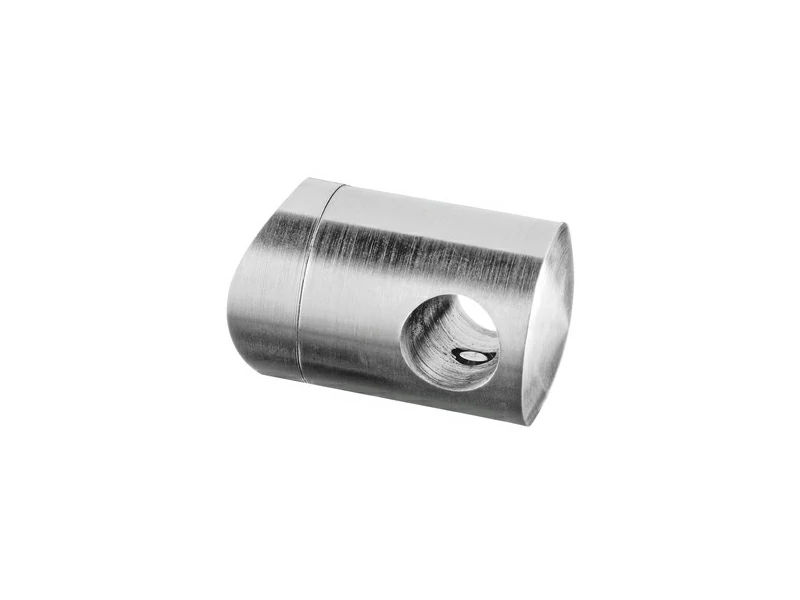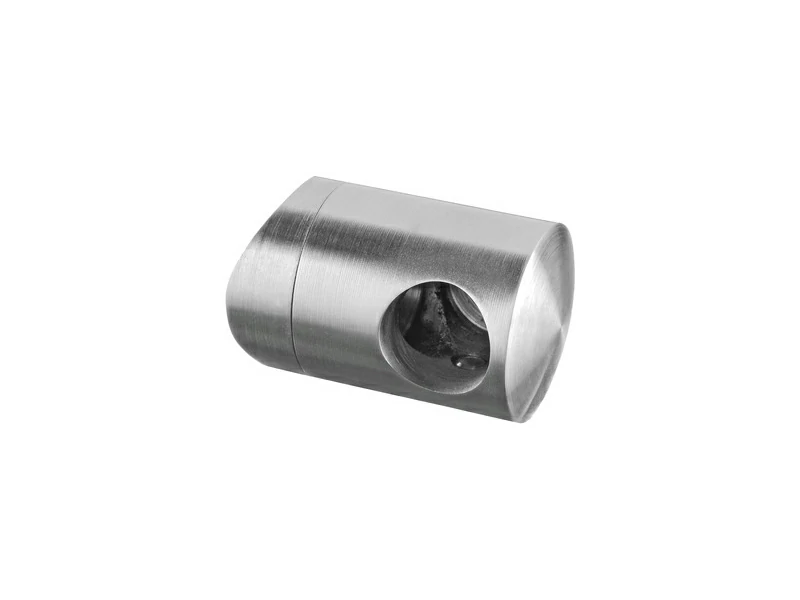
Installing railing hardware correctly is essential for creating a stable, durable, and safe railing system. Whether the project involves stainless steel handrails, glass balustrades, tube railings, balconies, or staircases, reliable performance depends on more than the quality of the individual fittings. Accurate measurements, compatible components, suitable fasteners, proper anchoring, correct alignment, and appropriate installation practices all contribute to the finished system.
Many railing installation mistakes occur during planning or preparation, before the first fitting is permanently secured. Choosing incompatible hardware, incorrectly positioning mounting points, or overlooking the substrate can lead to problems that are difficult and costly to correct later. This guide explains eight common installation mistakes, their potential consequences, and practical ways to prevent railing hardware errors and reduce railing safety issues.
Why Proper Railing Hardware Installation Matters
A railing system is not simply a decorative boundary; it is a safety structure designed to resist forces applied to the handrail, posts, fittings, and infill. These forces must be transferred through the complete load path—from the handrail and fittings through posts, base plates, fasteners, and anchors into the supporting structure. A strong connector or base plate cannot compensate for an unsuitable anchor, inadequate substrate, or incorrectly installed connection.
Installation quality also affects long-term durability and appearance. Misaligned posts can produce an uneven handrail, incorrectly positioned glass fittings can create inconsistent panel spacing, and inappropriate materials can accelerate corrosion. When handrail brackets, base flanges, glass clamps, or other fittings are installed incorrectly, the risk of movement, joint separation, material wear, and other railing safety issues increases. For projects governed by a railing safety code, installation errors may also affect requirements related to height, openings, structural loads, and anchorage.
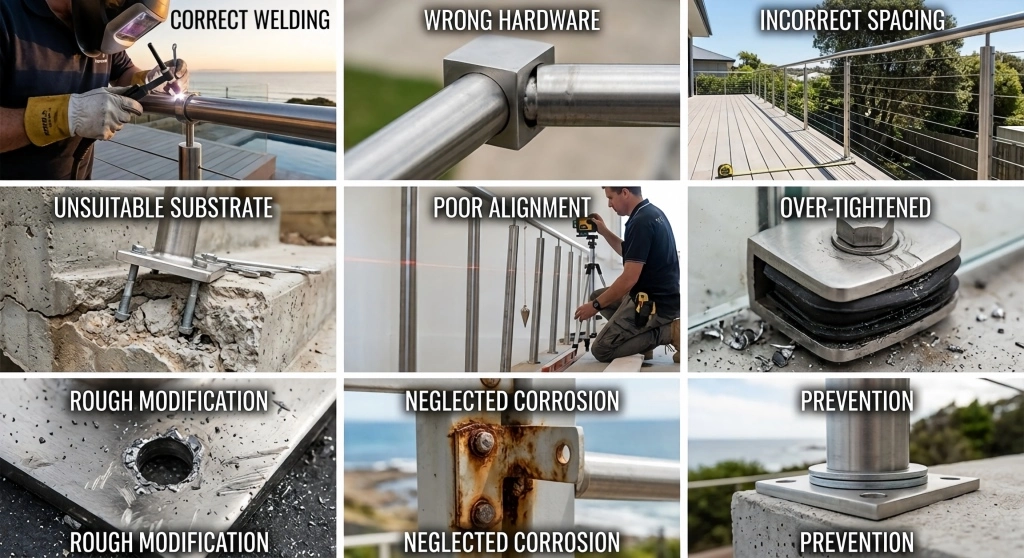
8 Common Railing Installation Mistakes
1. Choosing the Wrong Railing Hardware
One of the most common railing hardware errors is selecting components that are incompatible with the rest of the system. A fitting may appear suitable while having the wrong tube diameter, glass compatibility, mounting configuration, material grade, or installation method. A connector designed for one square tube dimension, for example, should not automatically be assumed to fit another.
Environmental conditions must also be considered. Stainless steel hardware intended for interior applications may not provide the appropriate performance in exposed coastal or marine environments. Before ordering, verify tube or post dimensions, glass compatibility where applicable, stainless steel grade, finish, mounting configuration, and intended application. For projects with defined structural requirements, product documentation and engineering specifications should also be reviewed.
2. Incorrect Measurements and Hardware Spacing
Incorrect measurements can lead to poor alignment, excessive system movement, unnecessary rework, and potential code-compliance problems. Errors in post locations, bracket positions, handrail lengths, or glass panel dimensions often become increasingly difficult to correct after multiple components have been installed.
Spacing should therefore be established during the design and layout stage rather than estimated during installation. Mark post and fitting positions carefully, verify the dimensions of the actual materials, and confirm adjacent mounting points before drilling. For glass railing systems, spacing should account for the selected glass configuration, fitting requirements, system design, and applicable project specifications. The source document recommends precise end-to-end measurements and following manufacturer specifications for support-post spacing, with typical maximum spans of approximately four to five feet depending on post rigidity and infill type.
3. Installing Hardware into an Unsuitable Substrate
The substrate forms a critical part of the railing load path, so concrete, structural steel, timber, masonry, and other surfaces cannot be treated as interchangeable. One frequent mistake is to concentrate on the strength of the visible railing fitting while overlooking the material and condition supporting it.
A properly designed base plate still depends on suitable anchors and a structurally adequate mounting surface. Poor-quality concrete, insufficient material thickness, damaged timber, or an unsuitable fixing location can compromise the connection regardless of how strong the visible hardware may be.
Before installation, identify the substrate and select anchors or fasteners appropriate for its characteristics. For structural or high-load applications, the mounting condition should be evaluated as part of the overall system design rather than treated as a routine installation detail.
4. Poor Alignment and Leveling
Accurate alignment is important for both structural consistency and the finished appearance of a railing. Posts that are not plumb can cause the handrail to follow an unintended angle, while incorrectly positioned fittings may create uneven connections between adjacent sections.
Use suitable measuring and leveling equipment throughout the installation. Check that posts are vertically plumb, mounting points are correctly aligned, and handrails follow the intended horizontal or inclined path. For longer railing runs, alignment should be checked across multiple posts rather than only between adjacent components.
Alignment is particularly noticeable in glass railing systems because transparent panels make inconsistencies highly visible. Establishing an accurate layout before permanently fixing the hardware can significantly reduce corrective work later.
5. Over-Tightening or Under-Tightening Fasteners
Correct fastener tension is essential to long-term railing performance. Under-tightened fasteners may permit movement, loosening, or vibration, while excessive tightening can damage threads, distort fittings, or place unnecessary stress on connected components.
The appropriate tightening method depends on the hardware, fastener, substrate, and system design. Where the manufacturer provides torque requirements, those specifications should take priority over subjective judgment. For critical connections, calibrated torque tools can help achieve consistent fastening without damaging threads or components.
Fasteners should also be fully engaged and connection surfaces properly seated. If a fitting does not align naturally, excessive tightening should never be used to force it into position; the underlying alignment or compatibility problem should be corrected first.
6. Drilling or Modifying Hardware Incorrectly
Improper drilling, cutting, grinding, or modification can change the intended performance of railing hardware. Creating new holes in a base plate, cutting a connector, or altering a fitting simply to accommodate incompatible components may weaken the connection or introduce unintended stress concentrations.
Glass requires particular care. Glass panels should not be drilled or modified unless the railing system is specifically designed for that installation method and appropriate procedures are followed by qualified personnel. Many frameless railing components are designed to secure glass without requiring additional drilling.
The preferred solution is to select hardware specifically designed for the intended configuration. If a component does not align correctly, recheck the measurements and layout or use an appropriate adjustable fitting rather than modifying a structural component on site.
7. Ignoring Material Compatibility and Corrosion
Material selection has a direct influence on railing durability, appearance, and service life. Stainless steel is widely used for railing hardware because of its corrosion resistance, but the appropriate grade depends on the environment. AISI 304 is commonly used for many interior applications, while AISI 316 is often selected for exterior, coastal, and marine environments where greater corrosion resistance is required.
Dissimilar metals also require attention. Direct contact between incompatible metals can contribute to galvanic corrosion, making suitable isolating washers, sleeves, or other protective measures important where required. Installers should additionally avoid contamination from carbon-steel tools, abrasive particles, or unsuitable cleaning materials.
Selecting the appropriate stainless steel grade, separating dissimilar metals where necessary, and using suitable handling and maintenance practices can help minimize corrosion-related railing safety issues and premature hardware deterioration.
8. Skipping the Final Safety Inspection
Installation is not complete simply because all visible fittings have been installed. A final inspection provides an opportunity to identify loose components, alignment problems, incomplete fastener engagement, damaged finishes, or other installation defects before the system is placed into service.
Inspect posts, base plates, anchors, connectors, handrails, clamps, glass panels, and joints as a complete system. Check for unwanted movement and verify that components are securely seated. Sharp edges, exposed hardware, damaged surfaces, and gaps that could affect the intended function should also be addressed.
For projects subject to a specific railing safety code, the completed installation should be reviewed against applicable requirements and project specifications. Where structural performance is important, final inspection should form part of the project's documented quality-control process.
How to Prevent Railing Hardware Errors Before Installation
The most effective way to reduce railing installation mistakes is to identify potential problems during planning rather than after installation has begun. A structured preparation process ensures that selected components, dimensions, substrates, and installation methods are compatible before permanent work starts.
Start With the Railing System Design
Begin by defining the complete railing configuration, including the railing type, tube or post dimensions, glass requirements where applicable, mounting surfaces, environmental exposure, and expected installation conditions.
The design should establish the positions of posts, base plates, clamps, connectors, and handrail fittings. For more complex systems, the complete load path should also be considered so that the connection between the railing and supporting structure is appropriately designed. Planning the system as a whole reduces the likelihood of selecting individual components that are incompatible with the finished assembly.
Create a Hardware Checklist
A hardware checklist helps prevent missing components and provides a convenient way to verify compatibility. Depending on the railing system, it may include posts, base plates, handrail fittings, glass clamps or spigots, connectors, elbows, end caps, fasteners, washers, nuts, and anchors.
Record critical specifications alongside each component, including tube diameter, glass thickness, stainless steel grade, surface finish, and mounting method. Comparing these details with product documentation before installation can identify potential railing hardware errors before they become site problems.
Verify Manufacturer Documentation
Manufacturer documentation should be reviewed before installation, particularly for structural or safety-critical components. Engineering data sheets, mounting guides, and load information can specify important installation variables such as recommended drill-bit sizes, minimum anchor embedment depths, fastener torque settings, and approved substrate conditions.
Following the manufacturer's documented installation procedure helps ensure that the installed hardware can achieve its intended structural performance. General installation assumptions should not replace product-specific requirements when technical documentation is available.
Railing Safety Code: What Should Installers Check?
Applicable railing safety code requirements vary by jurisdiction and project type, so installers and specifiers should identify the governing requirements before finalizing the design or installation. The source document highlights several commonly addressed areas, including concentrated load resistance, infill spacing, handrail height, and wall clearance.
For example, the document identifies a typical concentrated lateral force of 200 lb / 0.89 kN for guardrails and top handrails, a 4-inch / 102 mm infill rule intended to prevent a 4-inch sphere from passing through, and general height ranges of 36–42 inches for guardrails and 34–38 inches for stair handrails. It also identifies a typical minimum wall clearance of 1.5 inches for wall-mounted handrails. These figures should be treated as source-document guidance rather than universal requirements; the applicable local code and project specifications must always take precedence.
Railing Installation Mistakes Checklist
Before final sign-off, installers can use a structured checklist to verify the most important installation conditions:
- Material grade verified: Confirm that the selected stainless steel grade suits the environment, with 316 or Duplex 2205 specified for outdoor or coastal applications where required and 304 used for appropriate interior conditions.
- Solid substrate anchorage: Confirm that base flanges and brackets are mounted into verified structural timber blocking, reinforced steel, or suitable concrete anchors.
- Posts plumb and level: Check vertical support posts with an appropriate level before final fastener tightening.
- Correct fastener torque: Tighten threaded fasteners according to manufacturer specifications without stripping threads or deforming components.
- Isolating washers fitted: Use appropriate sleeves, washers, or isolators where dissimilar metals require separation.
- Code-compliant spacing: Verify infill and other critical dimensions against the applicable safety requirements.
- Anti-seize applied where appropriate: Stainless steel threads can be susceptible to galling, so suitable thread lubricant should be used where specified for the assembly.
When Should You Use Professional Railing Installation?
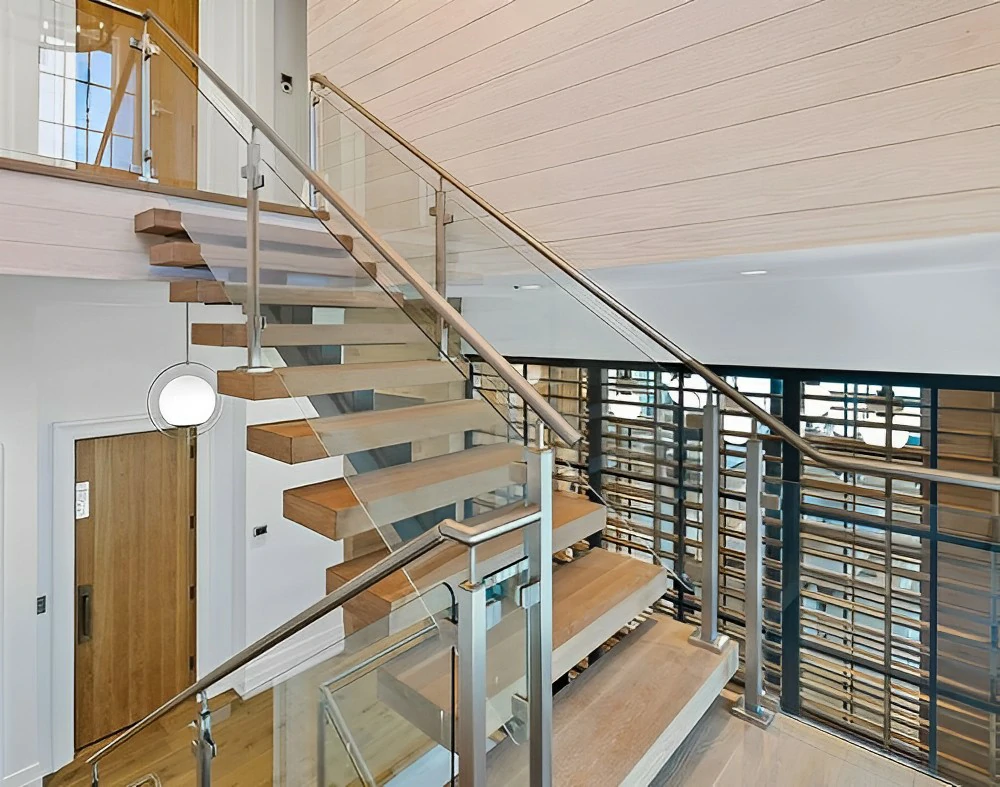
Professional installation or engineering support is particularly valuable when a project has complex structural, architectural, or environmental requirements. Elevated balconies, commercial buildings, large glass balustrades, complicated stair configurations, coastal locations, and installations involving unusual substrates may require more detailed assessment than a straightforward residential railing.
Professional support is also appropriate when the project has defined load requirements, requires documented compliance, or incorporates specialized glass and stainless steel hardware. Engineers, contractors, and installers should work from approved project drawings and manufacturer documentation rather than relying solely on general installation experience.
For simpler applications, careful preparation and adherence to manufacturer instructions can prevent many common installation problems. The key is to recognize when project conditions exceed the assumptions of a standard installation and obtain appropriate technical support before work proceeds.
Conclusion
Most railing installation mistakes can be prevented through careful planning, correct hardware selection, accurate measurement, suitable anchoring, precise alignment, and thorough final inspection. The performance of a railing system depends on the interaction of every component, from handrail fittings and base plates to fasteners, anchors, substrates, and structural supports.
Avoiding railing hardware errors is therefore about more than achieving a clean appearance. It is an important part of reducing potential railing safety issues and ensuring that the completed system performs as intended. By verifying component compatibility, following manufacturer documentation, evaluating the substrate, selecting suitable materials, controlling fastener installation, and checking the finished railing against the applicable railing safety code, installers and specifiers can achieve safer, more durable, and more reliable railing systems.