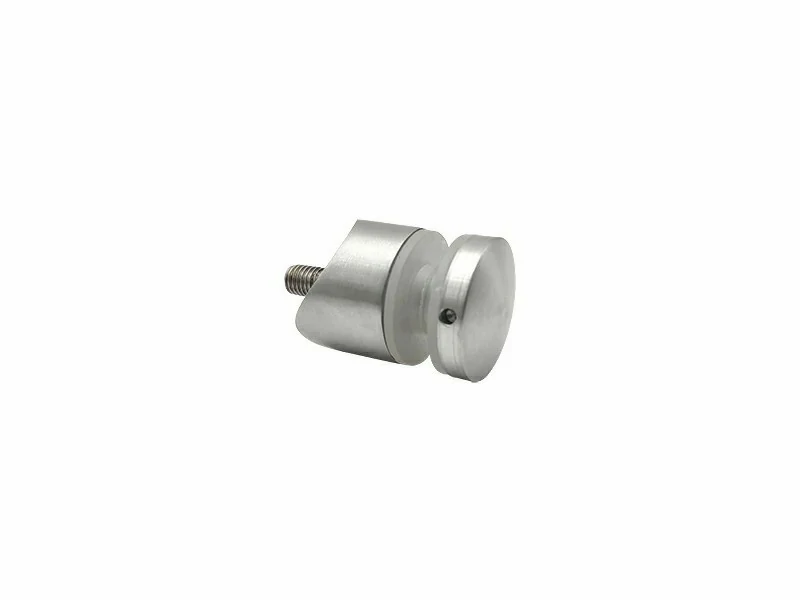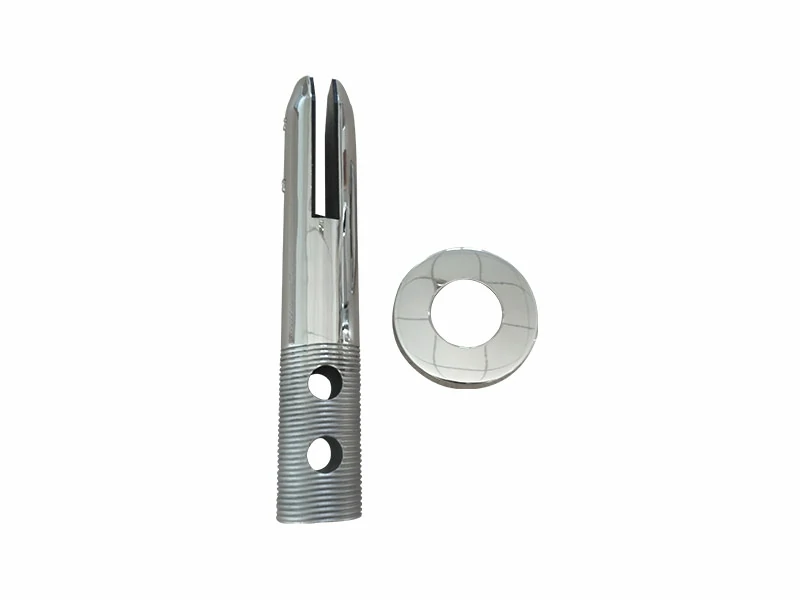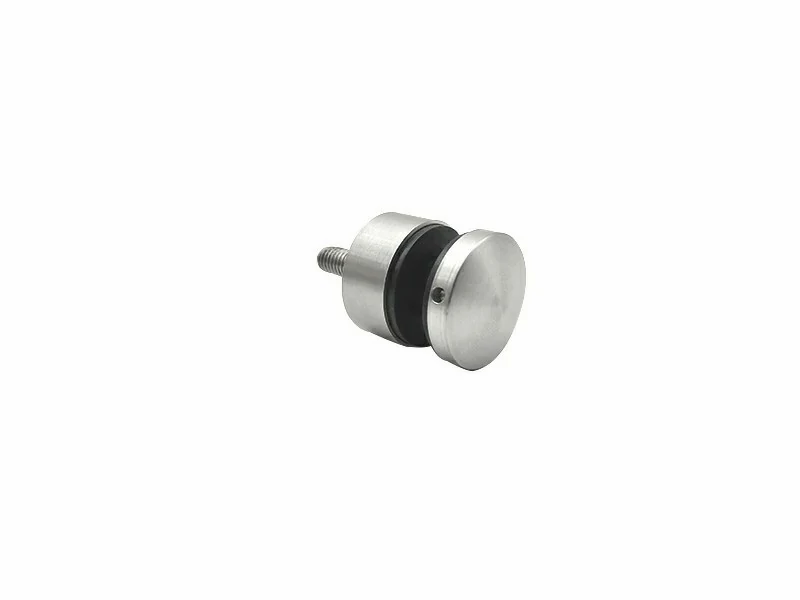
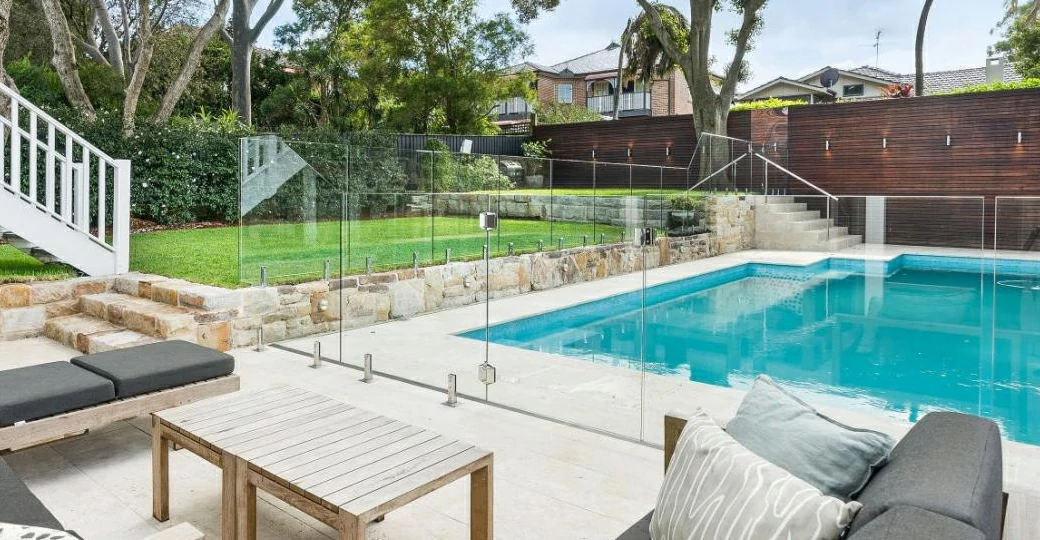
Stainless Steel Railing Accessories are widely used in modern architectural systems due to their durability, corrosion resistance, and clean aesthetic. From stainless steel balustrade fittings to stainless steel handrail accessories, these components are engineered for reliable performance in both indoor and outdoor environments.
However, “stainless” does not mean maintenance-free. To preserve structural integrity and appearance, a consistent care routine is essential. This guide outlines practical, engineering-based methods for effective stainless steel railing maintenance, helping extend service life and maintain visual quality.
Why Maintenance Matters for Corrosion Resistance
Stainless steel resists corrosion through a protective oxide layer, but this layer can degrade due to environmental exposure. Factors such as humidity, salt air, pollution, and surface contamination can lead to staining or corrosion if not properly managed.
Even corrosion resistant railing hardware can develop surface issues like “tea staining,” particularly in coastal environments.
Regular maintenance helps to:
- Prevent corrosion and surface staining
- Maintain structural integrity
- Preserve aesthetic appearance
- Extend product lifespan
This is especially critical for stainless steel balustrade accessories used outdoors.
Understanding Stainless Steel Grades
Selecting the correct material is the first step in reducing maintenance needs:
- SS304: Suitable for indoor or low-corrosion environments
- SS316: Superior resistance to chlorides; ideal for outdoor, coastal, and poolside installations
Using SS316 significantly improves long-term performance in harsh environments.
Recommended Cleaning Schedule
Cleaning frequency should match environmental exposure:
- Indoor (dry): Every 3–6 months.
- Urban outdoor: Every 2–3 months.
- Coastal / poolside: Monthly.
Regular cleaning is essential to maintain the performance of stainless steel railing accessories in demanding conditions.
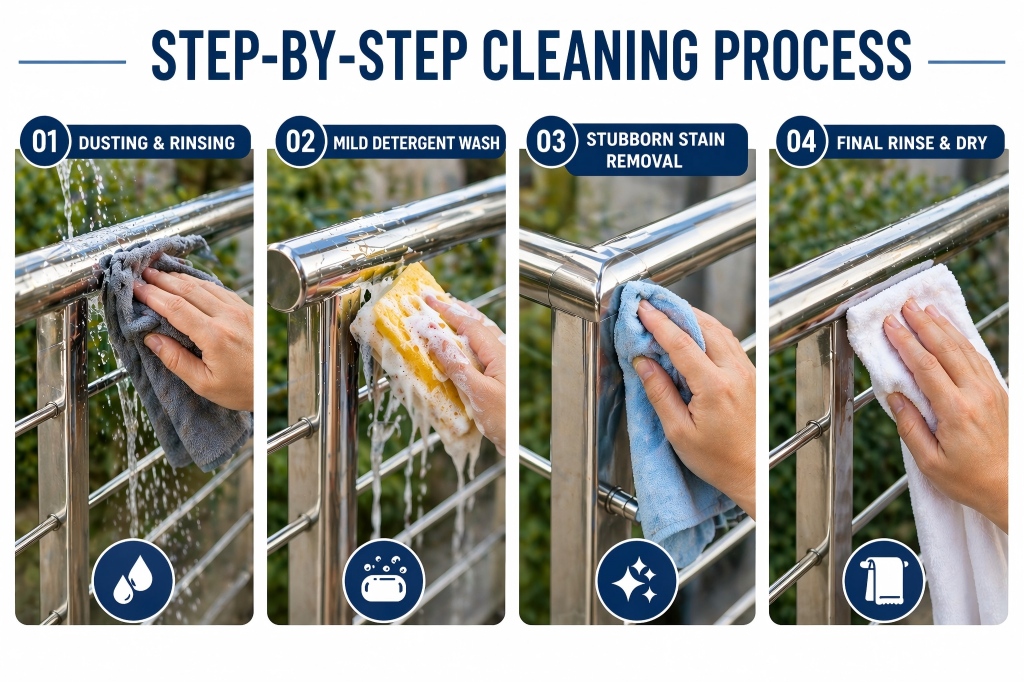
Step-by-Step Cleaning Process
Maintaining stainless steel handrail accessories requires simple tools and proper technique:
Step 1: Dusting & Rinsing
Remove loose debris with a soft cloth and rinse with clean water to eliminate abrasive particles such as dust or salt.
Step 2: Mild Detergent Cleaning
Use warm water with a mild, pH-neutral detergent. Clean using a soft sponge or microfiber cloth. Always wipe in the direction of the grain to avoid surface scratches.
Step 3: Removing Stubborn Stains
For fingerprints or oil, use a specialized stainless steel cleaner or a mix of vinegar and water. Never use steel wool or carbon steel brushes, as these leave iron particles that lead to rust.
Step 4: Final Rinse & Dry
Rinse thoroughly with clean water and dry with a soft cloth to prevent water spots, especially on polished surfaces.
Preventing Corrosion in Railing Hardware
Avoid Surface Contamination
Corrosion is often caused by contaminants such as:
- Carbon steel particles
- Chlorides (salt, pool chemicals)
- Construction debris
Keeping corrosion resistant railing hardware clean is essential for long-term performance.
Regular Inspection
Routine inspection helps identify issues early:
- Check fasteners for tightness
- Inspect joints for movement or misalignment
- Look for discoloration, rust spots, or surface damage
Addressing these issues early prevents more serious damage.
Protective Treatments
In harsh environments, additional protection may be required:
- Stainless steel passivation treatments
- Protective coatings or sealants
These enhance corrosion resistance and reduce maintenance frequency.
Common Mistakes to Avoid
Avoid the following to protect your stainless steel balustrade fittings:
- Using abrasive pads or harsh chemicals
- Ignoring early signs of corrosion
- Mixing stainless steel with incompatible metals
- Skipping the rinse step after cleaning
- Neglecting high-contact areas such as handrails and brackets
Long-Term Maintenance Tips
- Clean regularly based on environmental conditions
- Always wipe in the direction of the grain
- Use dedicated stainless steel cleaning products when necessary
- Ensure proper drainage in outdoor installations
- Choose SS316 for exposed environments
- Schedule periodic professional inspections for large projects
Conclusion
Proper care of Stainless Steel Railing Accessories is essential for maintaining durability, safety, and appearance. While these materials are designed for corrosion resistance, regular cleaning and preventive maintenance are critical to preserving their performance.
By following best practices for stainless steel railing maintenance, you can ensure that your stainless steel balustrade fittings and stainless steel handrail accessories remain in optimal condition—whether used indoors or in demanding outdoor environments. For high-quality, corrosion resistant railing hardware, always choose trusted components from established suppliers like Highco Metal.