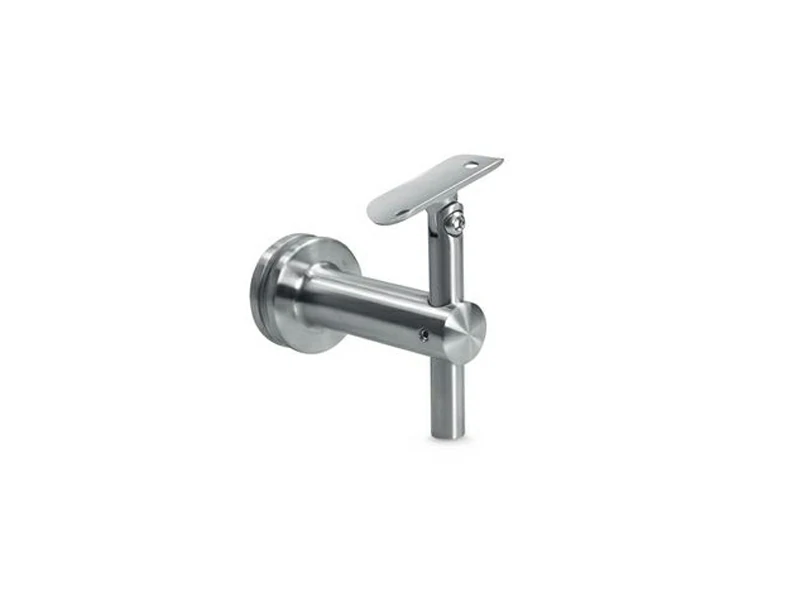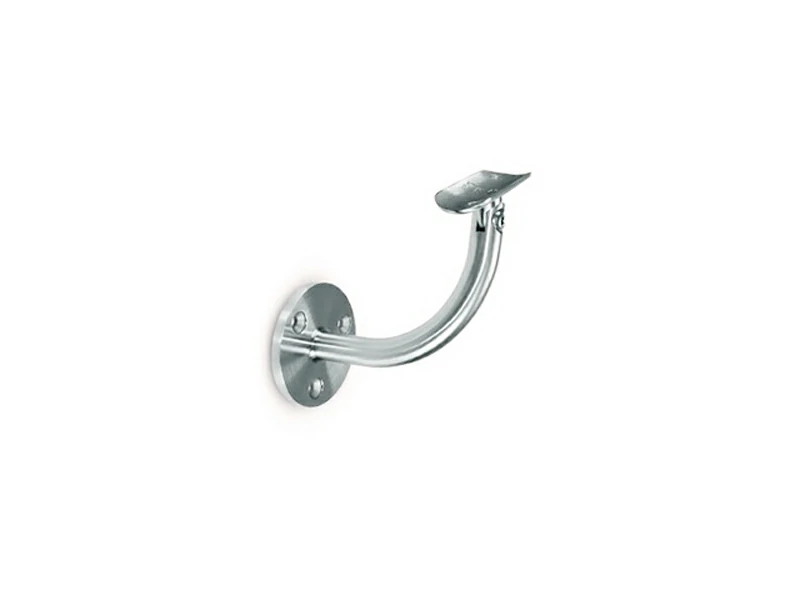
Understanding railing load rating is fundamental for engineers and specifiers responsible for designing safe, compliant railing systems. It is not just a regulatory checkbox—it directly affects structural integrity, liability exposure, and long-term system performance. Whether specifying glass balustrades, metal guardrails, or architectural handrails, selecting the correct hardware ensures the system can withstand real-world forces without failure.
This guide explains how load ratings work, how railing hardware strength is achieved, and how each component contributes to overall railing safety load.
What is a Railing Load Rating?
A railing load rating defines the maximum force a system—or its individual components—can withstand before structural failure. These loads, typically governed by standards such as the International Building Code (IBC) or ASTM, are categorized into three main types:
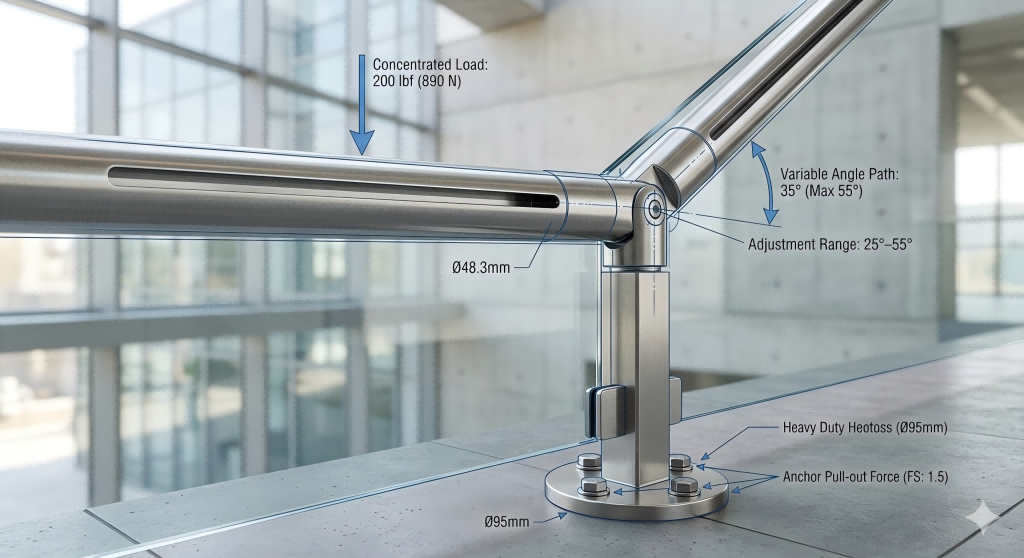
- Point Load (Concentrated Load): A single-point force, often specified at 200 lbf (890 N), applied in any direction at the top of the rail.
- Uniform Load (Distributed Load): A force spread evenly along the railing, typically 50 lbf/ft (0.73 kN/m), applied horizontally or vertically.
- Infill Load: Specific load requirements for panels, such as glass balustrades, usually measured at 50 lbs over a small area.
Achieving a consistent railing safety load requires a holistic engineering approach, focusing on every connection point from the substrate to the internal joinery.
Why Railing Load Ratings Directly Impact Safety
The railing safety load is only as strong as its weakest component. Proper load-rated hardware ensures:
- Structural Reliability: Prevents failure under user load or environmental stress
- Code Compliance: Meets standards such as IBC, ASTM, and EN
- Risk Mitigation: Reduces liability for engineers and contractors
- Durability: Minimizes deformation, fatigue, and long-term wear
Failure to meet load requirements can result in system collapse, especially in high-traffic or elevated installations.
How Railing Hardware Strength Is Achieved
1. Load Path Continuity
A railing system must transfer loads efficiently from the top rail to the substrate. This load path includes:
Handrail → Connectors → Posts/Base Plates → Anchors → Structure
Any weakness along this path reduces overall system performance.
2. Critical Hardware Components
Base Plates (Structural Anchoring)
Base plates are the primary interface between the railing and the structure. A well-designed base plate:
- Distributes loads across a larger surface area
- Resists pull-out and shear forces
- Maintains alignment under stress
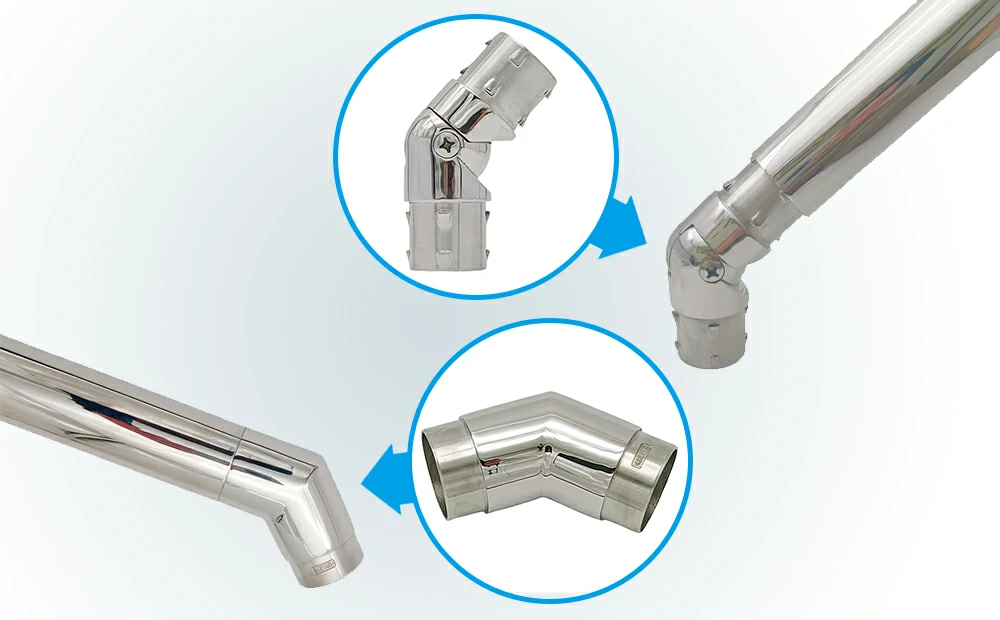
- Connectors & Joiners (Load Transfer)
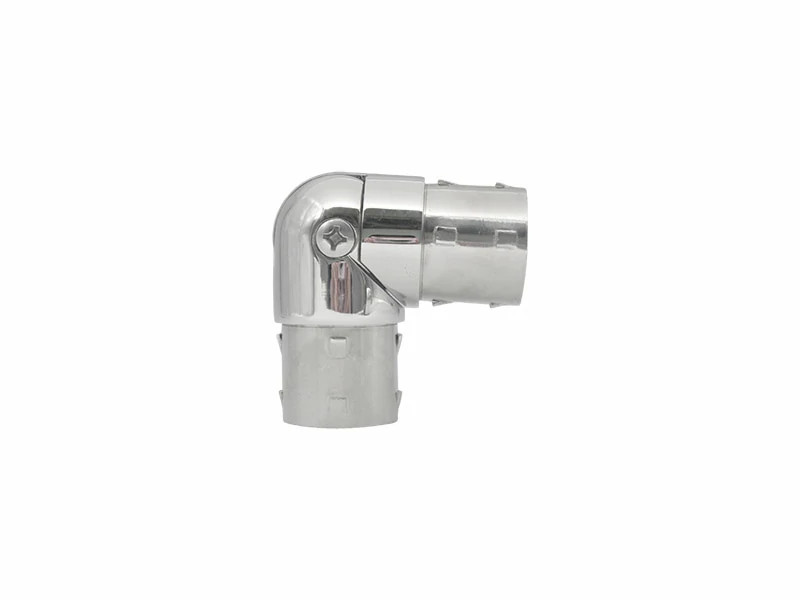
Inline connectors, elbows, and tee fittings:
- Maintain structural continuity
- Prevent deformation at joints
- Ensure consistent load transfer across sections
- Adjustable Components (Complex Geometry)
In staircases or ramps:
- Adjustable fittings must handle multi-directional forces
- High-quality designs maintain strength across variable angles
Key Factors Affecting Railing Hardware Strength
Material Selection
Material choice directly influences performance:
- AISI 304 Stainless Steel: Suitable for indoor applications
- AISI 316 Stainless Steel: Superior corrosion resistance for outdoor and marine environments
- Duplex Stainless Steel (2205): Higher strength and enhanced load capacity
Component Design
Engineering design determines how loads are distributed:
- Wall thickness and internal reinforcement
- Contact surface area (critical for clamps and connectors)
- Precision tolerances for tight-fit assembly
Poor design leads to stress concentrations and premature failure.
Installation Quality
Even the highest-rated hardware can fail if installed incorrectly:
- Incorrect anchor type or size
- Insufficient embedment depth
- Misalignment between components
- Improper torque application
Installation directly affects the achieved railing safety load on-site.
Substrate Integrity
The mounting surface must support the system load:
- Concrete, steel, and wood behave differently under load
- Weak or deteriorated substrates reduce performance
- Proper anchors or chemical fasteners are essential
Testing and Certification
Reliable railing load rating values are validated through standardized testing:
- Static Load Testing: Measures deformation under controlled force
- Dynamic Testing: Simulates real-world impacts and repeated use
- Pull-Out & Shear Testing: Evaluates anchor and base plate performance
Always specify hardware with verified test reports and certifications.
How to Specify the Correct Load Rating
For engineers and specifiers, a structured approach is essential:
Identify Applicable Codes
Confirm required load values based on location and building type
Define System Type
Glass, cable, or metal systems have different load behaviors
Evaluate All Components
Ensure every component meets or exceeds required loads
Apply Safety Factors
Account for uncertainties in installation and material variation
Verify Documentation
Request:
Load test reports
Material certifications
Installation guidelines
Common Specification Mistakes
Avoid these frequent issues:
- Assuming all hardware meets the same load rating
- Ignoring substrate limitations
- Mixing incompatible components
- Overlooking installation tolerances
- Failing to verify certified test data
Each mistake reduces effective railing hardware strength and compromises safety.
Conclusion
A well-defined railing load rating is the foundation of safe and compliant railing design. True system performance depends on the integration of material quality, component design, and correct installation practices. For engineers and specifiers, the goal is to ensure that every element—from connectors to base plates—works together to achieve the required railing safety load.
Highco Metal provides high-quality stainless steel railing fittings designed for strength, durability, and compliance with international standards. From base plates to connectors, every component is manufactured to support reliable railing load rating performance in demanding applications.
Contact Highco Metal today for technical support, product specifications, and customized solutions tailored to your project requirements.