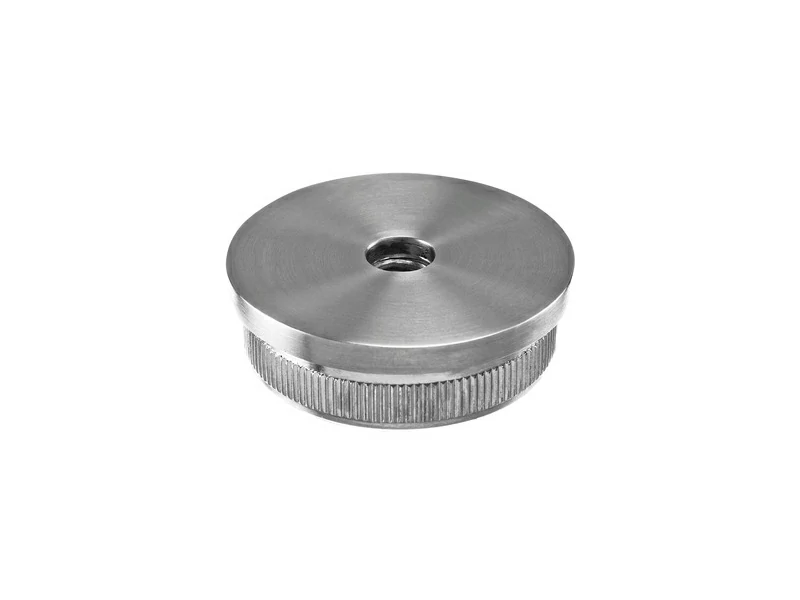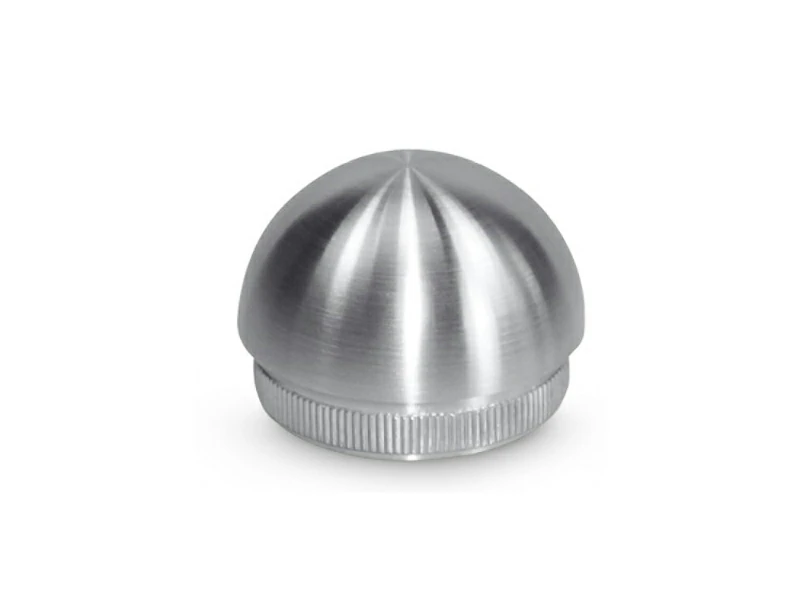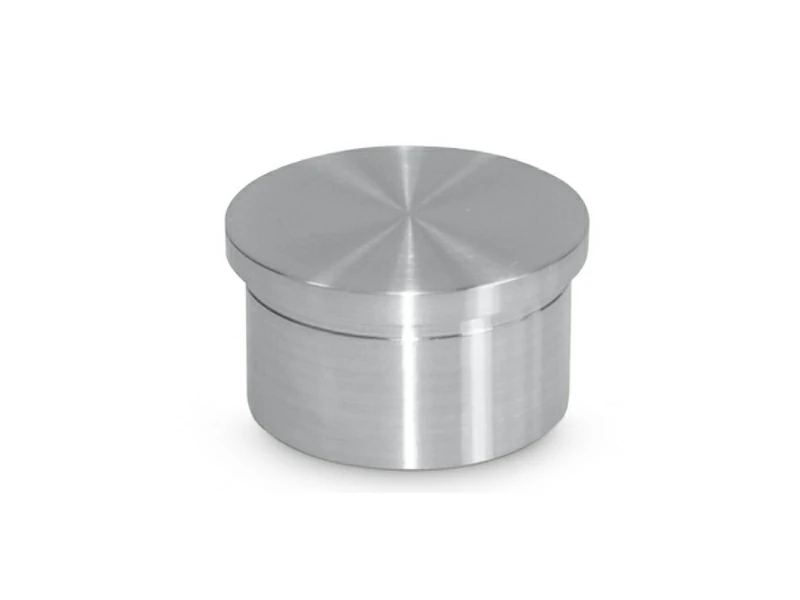
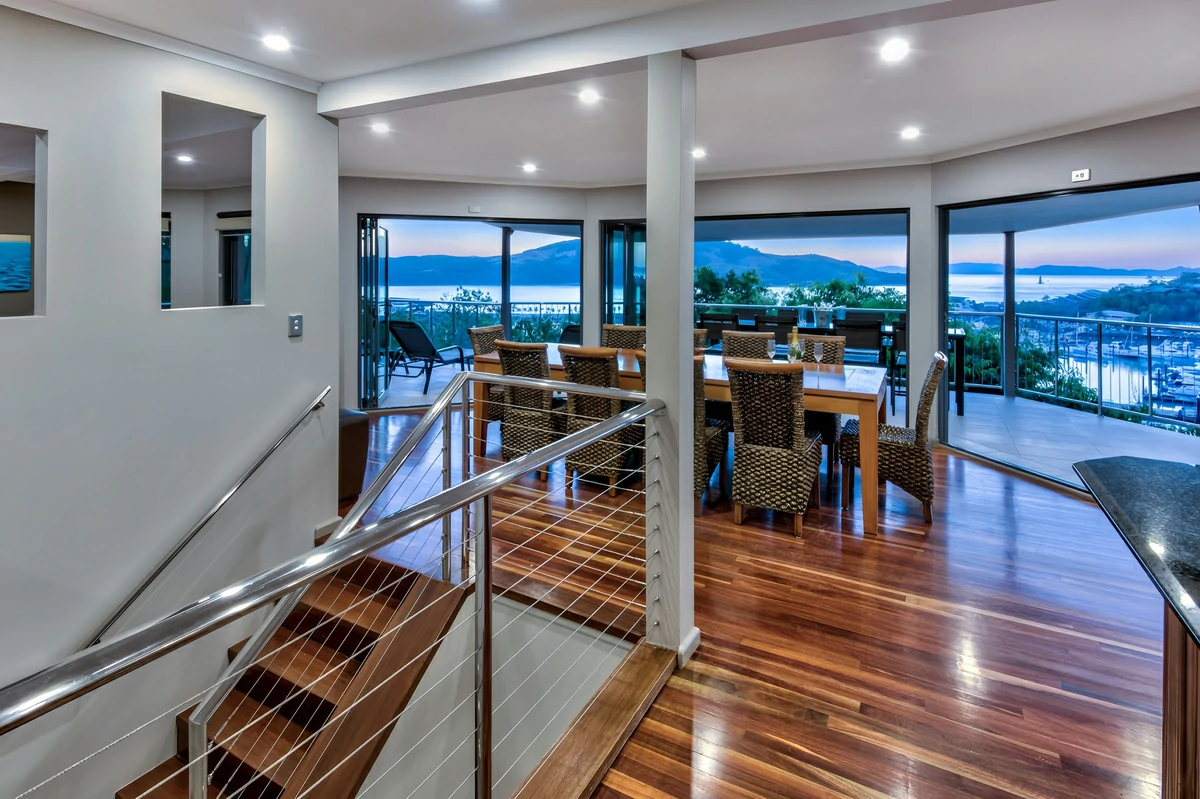
Cable railing systems are widely used in modern residential and commercial projects because of their clean lines and unobstructed views. However, aesthetics alone are not enough. A safe and long-lasting system depends on selecting the correct cable railing accessories and compatible components.
Whether you are a contractor, fabricator, or property owner, understanding the essential cable railing hardware and cable railing fittings will help you ensure structural integrity, code compliance, and long-term durability.
This guide provides an educational checklist of essential cable railing fittings and safety considerations to help you plan a successful project.
Why Cable Railing Accessories Matter
Cable railing systems are tension-based assemblies. The cables rely on proper anchoring and tensioning to remain rigid and compliant with safety standards.
Using low-quality or mismatched cable railing hardware can lead to:
- Cable Sagging: Loosening over time that compromises safety.
- Structural Instability: Weakened post-and-rail connections.
- Corrosion: Rusting in outdoor or coastal environments.
- Code Violations: Failure to meet strict safety regulations.
High-quality cable railing fittings ensure proper load transfer, tension retention, and long-term performance.
Essential Cable Railing Accessories Checklist
1. Stainless Steel Cables
The cable is the primary infill element of the system.
Recommended specifications:
- Material: 316 marine-grade stainless steel is the industry standard for outdoor, coastal, or high-humidity areas.
- Construction: 1x19 strand construction is recommended because it is stiff, smooth, and designed to hold tension without stretching.
- Diameter: Typically 1/8" or 3/16".
2. Cable Tensioners
Tensioners are critical cable railing accessories that eliminate slack and maintain rigidity.
Common options:
- Threaded stud tensioners
- Turnbuckle-style fittings
- Concealed tension systems
Proper tension prevents deflection and ensures the railing meets safety code spacing requirements.
3. End Fittings
End fittings anchor the cable to posts and are among the most important cable railing fittings in the system.
Types include:
- Swage Fittings: Require a specialized crimping tool for installation.
- Swageless Fittings: Popular for DIY projects as they can be field-installed without hydraulic tools.
- Threaded terminal ends
Swageless fittings are popular for field installations and smaller projects due to ease of use.
4. Post and Intermediate Components
A safe system requires a sturdy frame, often utilizing intermediate posts to maintain proper cable spacing.
Necessary accessories:
- Cable Sleeves: Protect cables from wear against sharp metal edges and prevent them from "sawing" into wood posts during tensioning.
- Grommets: Used specifically for wood post installations.
- Beveled Washers: Essential for securing cables at the correct angle on stair installations.
These small but essential components extend system lifespan and maintain alignment.
5. Mounting Hardware
High-strength mounting hardware ensures the entire system remains stable under load. All cable railing hardware must be structurally rated and corrosion resistant.
Includes:
- Core Hardware: Includes stainless steel bolts, structural screws, lock nuts, and washers.
- Post Bases & Covers: Components like square-welded bases and cover plates provide a secure anchor and a finished look for vertical posts.
To prevent galvanic corrosion, always match hardware material grades (e.g., 316 cable with 316 fasteners).
6. Handrail and Top Rail Supports
Most building codes require a rigid top rail to limit cable deflection.
Common components:
- Handrail brackets
- Top rail connectors
- Post caps
- Rail support saddles
A properly reinforced top rail enhances safety and improves overall system stability.
7. Installation Tools
While not permanent accessories, proper tools ensure safe installation.
- Hardened cable cutters (prevent fraying)
- Swaging tools (if using swage fittings)
- Wrenches for tension adjustment
- Cable tension gauge
Correct tensioning is critical to long-term system performance.
Safety and Code Compliance Considerations
When selecting cable railing accessories, confirm:
- Maximum 4-inch sphere rule compliance
- Typical cable spacing of approximately 3 inches
- Post spacing (generally 3–4 feet)
- Adequate structural reinforcement
- Always verify local building codes before installation.
304 vs 316 Stainless Steel: Which Should You Choose?
Material selection significantly affects durability.
- 304 Grade: Suitable for indoor or low-moisture environments.
- 316 Grade: The standard for exterior and high-humidity areas due to its superior corrosion resistance.
For most exterior cable railing hardware, 316 stainless steel is the industry standard.
Common Installation Mistakes to Avoid
- Overtightening cables, causing post deflection
- Mixing incompatible metals
- Skipping protective sleeves
- Underestimating structural reinforcement
- Ignoring stair angle requirements
Proper planning and complete accessory selection prevent costly repairs and safety risks.
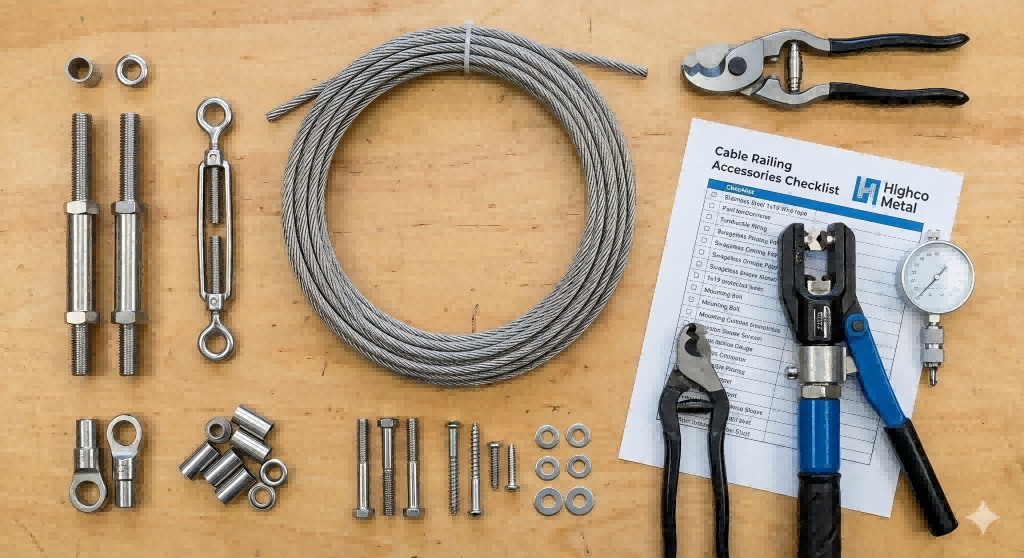
Quick Cable Railing Accessories Summary
Before starting your project, confirm you have:
- Stainless steel cables (1×19 construction recommended)
- Cable tensioners
- End fittings (swage or swageless)
- Protective sleeves or grommets
- Stainless steel bolts, screws, nuts, and washers
- Handrail brackets and connectors
- Proper installation tools
Final Thoughts
A safe, durable, and visually appealing railing system depends on selecting the right cable railing accessories and compatible cable railing fittings. Every component—from tensioners to mounting hardware—plays a structural role in performance and safety.
Choosing high-quality cable railing hardware ensures your installation remains secure, compliant, and corrosion-resistant for years to come.
Achieve a Professional Finish with Highco Metal
At Highco Metal, we understand that a safe railing system depends on every single component, from the end fittings to the mounting bolts. We offer a comprehensive range of premium 316-grade stainless steel cable railing accessories designed for durability, code compliance, and modern aesthetic appeal.
Contact Highco Metal today to get expert guidance and dependable components for your next cable railing project.