Architectural railing systems rely on the strength and reliability of their supporting hardware. While glass panels, posts and handrails define the appearance of a railing, brackets, clamps, connectors and fasteners are essential to its structural stability. Premature railing hardware failure can compromise safety, shorten service life and result in costly repairs or project callbacks.
Understanding the causes of railing hardware failure helps manufacturers, contractors and installers make better decisions throughout material selection, installation and maintenance. This guide explains common failure mechanisms, early warning signs and practical measures to improve the long-term performance of railing systems.
Common Causes of Railing Hardware Failure
Most hardware failures develop through a combination of environmental exposure, mechanical stress, unsuitable component selection and inadequate installation or maintenance.
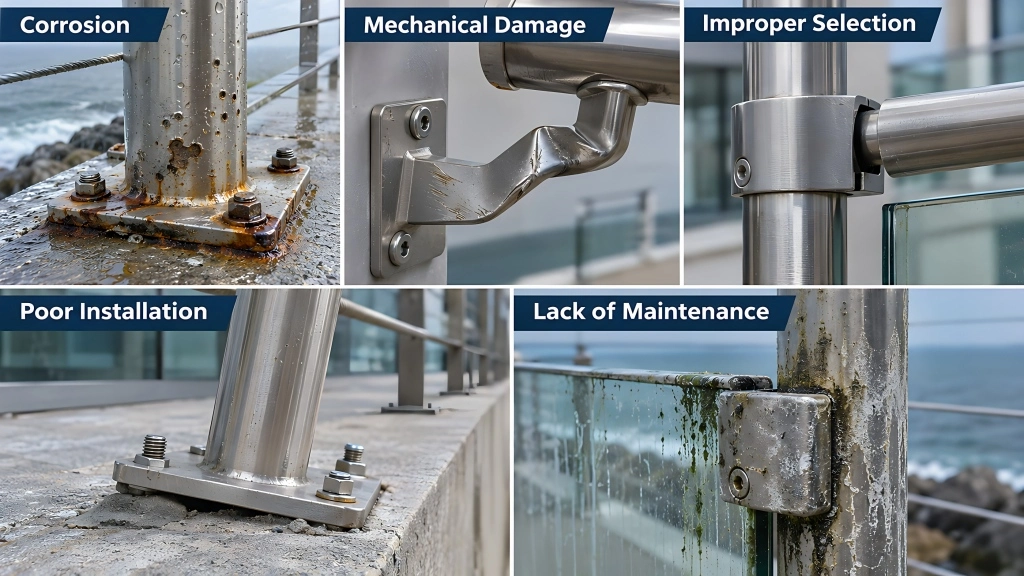
Corrosion and Environmental Exposure
Railing corrosion is a major concern in outdoor, coastal and industrial environments. Moisture, airborne salts, pollutants and chemical residues can accelerate metal deterioration, particularly around joints, fasteners and concealed connection points.
Although stainless steel naturally resists corrosion through its protective passive layer, prolonged chloride exposure, surface contamination and trapped moisture can contribute to pitting and crevice corrosion. Contact between dissimilar metals in the presence of moisture may also cause galvanic corrosion.
Unsuitable stainless steel grades, rough surface finishes and inadequate drainage can further increase the risk of premature deterioration.
Mechanical Damage and Excessive Stress
Railing systems are exposed to pedestrian loads, wind pressure, vibration, physical impacts and thermal movement. Excessive or repeated stress can contribute to metal fatigue, cracking, deformation and wear at connection points.
Railing hardware damage is more likely when brackets, connectors or fasteners are undersized, improperly supported or subjected to loads beyond their design capacity. Stress concentrations caused by poor alignment or incompatible components may also accelerate mechanical failure.
Improper Material and Hardware Selection
Selecting railing fittings based solely on appearance or cost can compromise system reliability. Components that do not match glass thickness, tube dimensions, mounting substrates or structural requirements may create unstable connections and uneven load distribution.
Material selection is equally important. Stainless steel grades suitable for dry indoor environments may not provide sufficient corrosion resistance in coastal or chemically aggressive conditions. Poor dimensional accuracy, incompatible materials and inadequate component strength can also contribute to premature failure.
Poor Railing Hardware Installation
Improper railing hardware installation can weaken connections even when high-quality components are used. Common railing hardware installation mistakes include inaccurate positioning, unsuitable anchors, incorrect drilling, inadequate substrate preparation and improper tightening.
Under-tightened fasteners may allow excessive movement, while over-tightening can damage threads, deform fittings or place unnecessary stress on connected components. Misalignment may further compromise load distribution and connection stability.
Lack of Routine Railing Hardware Maintenance
Salt deposits, dirt, moisture and surface contamination gradually accumulate on railing components, particularly in exposed environments. Without regular inspection and cleaning, early corrosion, loose connections and minor damage may remain unnoticed until they develop into more serious problems.
Neglected maintenance can increase repair costs and reduce the service life of otherwise suitable hardware.
Signs of Railing Hardware Failure to Look For
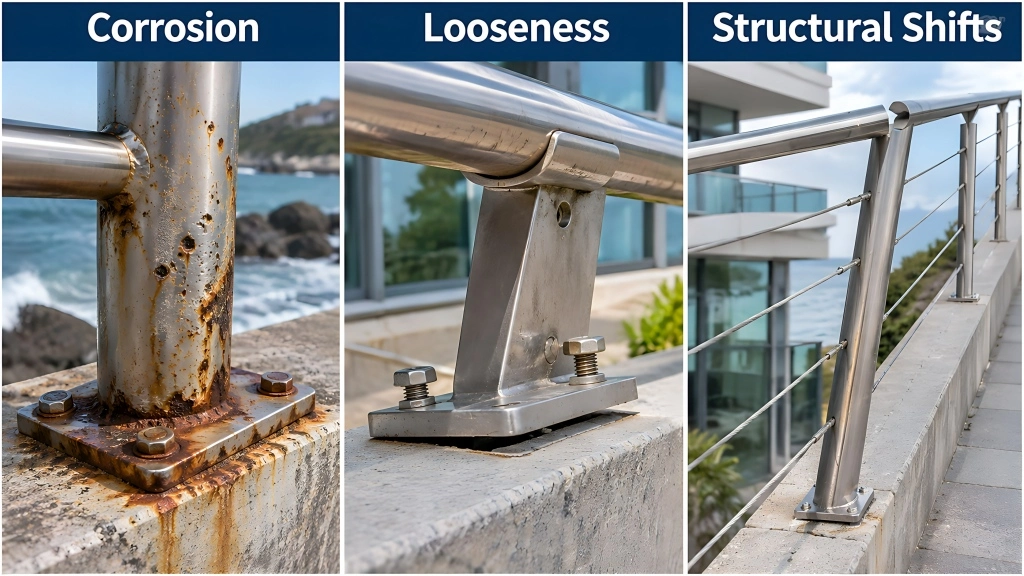
Early identification of hardware deterioration can help prevent minor defects from developing into serious safety concerns. Common warning signs include:
- Visual Deterioration: Rust spots, discoloration, deep pitting, cracked fittings, damaged finishes or visible deformation.
- Mechanical Instability: Loose brackets, rattling connectors, moving fasteners, excessive vibration or unexpected railing movement.
- Structural and Alignment Shifts: Leaning posts, uneven handrails, shifting base plates or widening gaps between connected components.
These symptoms may indicate underlying connection or structural problems. If significant instability or damage is detected, restrict access to the affected area and arrange a qualified professional assessment.
How to Prevent Railing Hardware Failure
Effective failure prevention begins with appropriate component selection and continues through correct installation, secure connections and environmental protection.
Choose the Right Railing Hardware and Materials
Selecting railing hardware for indoor and outdoor applications requires careful consideration of environmental exposure and material performance. Consider material grade, dimensional accuracy, component strength, surface finish and connection compatibility.
| Material | Characteristics | Typical Applications |
|---|---|---|
| AISI 304 | Good general corrosion resistance | Indoor and mild outdoor environments |
| AISI 316 | Improved resistance to chloride-induced corrosion | Coastal and salt-exposed environments |
| Duplex 2205 | Higher strength and improved resistance to localized corrosion | Selected demanding marine and industrial applications |
Material grade alone does not guarantee structural performance. Hardware dimensions, connection design, environmental conditions and applicable project requirements must also be evaluated.
How to Install Railing Hardware Properly
Correct installation is essential to maintaining the reliability of railing connections. Before assembly, verify component dimensions, mounting locations, substrate conditions and system compatibility.
Use suitable anchors, fasteners and installation tools, following the manufacturer's instructions and project specifications. Maintain accurate alignment and avoid forcing incompatible components into position.
Check all mounting points and connections before putting the railing system into service. Safety-critical installations must comply with applicable building codes and engineering requirements.
How to Prevent Railing Fittings from Loosening
Repeated movement, vibration and incorrect fastener tightening can gradually reduce connection stability. The following practices help minimize loosening:
- Tighten fasteners to the specified torque using a suitable torque wrench where required.
- Use approved locking fasteners or compatible thread-locking compounds when specified for the connection.
- Use suitable anti-seize lubricants for stainless steel threads where permitted, accounting for their effects on tightening torque and preload.
- Inspect frequently used or vibration-prone connections periodically.
Fastening and locking methods should always be compatible with the hardware design and manufacturer's recommendations.
Protect Railing Hardware from Corrosion and Damage
Select corrosion-resistant materials and suitable surface finishes for the installation environment. Where necessary, isolate dissimilar metals to reduce galvanic corrosion risks and provide adequate drainage to minimize trapped moisture.
During fabrication, transportation and installation, protect stainless steel surfaces from scratches, carbon steel contamination and mechanical impacts. Avoid unnecessary exposure to aggressive chemicals and maintain clean surfaces, particularly in chloride-rich environments.
Railing Hardware Maintenance: Inspection, Cleaning & Replacement
Routine railing hardware maintenance helps preserve surface appearance, identify deterioration and maintain connection reliability throughout the system's service life.
Inspect Railing Fittings Regularly
Examine brackets, clamps, connectors, fasteners, anchors and mounting bases for corrosion, cracks, deformation, loosening or abnormal movement.
Inspection frequency should reflect environmental exposure, usage intensity and project requirements. Outdoor, coastal and heavily used commercial railing systems generally require closer attention than installations in dry indoor environments.
Clean Stainless Steel Railing Hardware Properly
Use clean water, mild detergent and a soft cloth to remove dirt, grease, salt deposits and other contaminants. For brushed or satin finishes, clean in the direction of the surface grain.
Avoid steel wool, carbon steel brushes, abrasive cleaning tools and chloride-containing cleaning products that may damage or contaminate stainless steel surfaces. Rinse thoroughly and dry where appropriate, paying particular attention to joints and concealed areas where moisture can accumulate.
More frequent cleaning may be necessary in coastal or chemically exposed environments.
Repair or Replace Damaged Components Promptly
Minor surface staining may be addressed through suitable cleaning, but deep pitting, stripped threads, cracked clamps and permanently deformed brackets require further assessment and potentially replacement.
Replacement components must match the original system's material, dimensions, connection design and structural requirements. Temporary fixes should not be relied upon when load-bearing hardware is compromised.
If damage affects railing stability, the system should be professionally assessed before returning to service.
Choosing Reliable Stainless Steel Railing Hardware
Long-term railing performance depends on more than corrosion resistance. Component design, dimensional accuracy, manufacturing quality, surface finishing and compatibility all influence hardware reliability.
When sourcing railing fittings, evaluate the supplier's manufacturing capabilities, material options, quality control and ability to accommodate project-specific requirements. Customized components can be particularly valuable when standard fittings do not match the required dimensions, mounting arrangements or architectural designs.
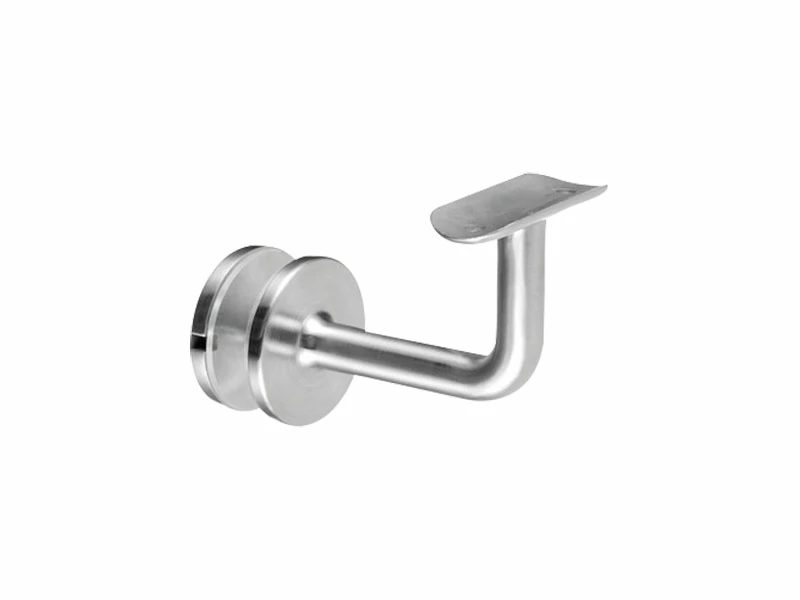
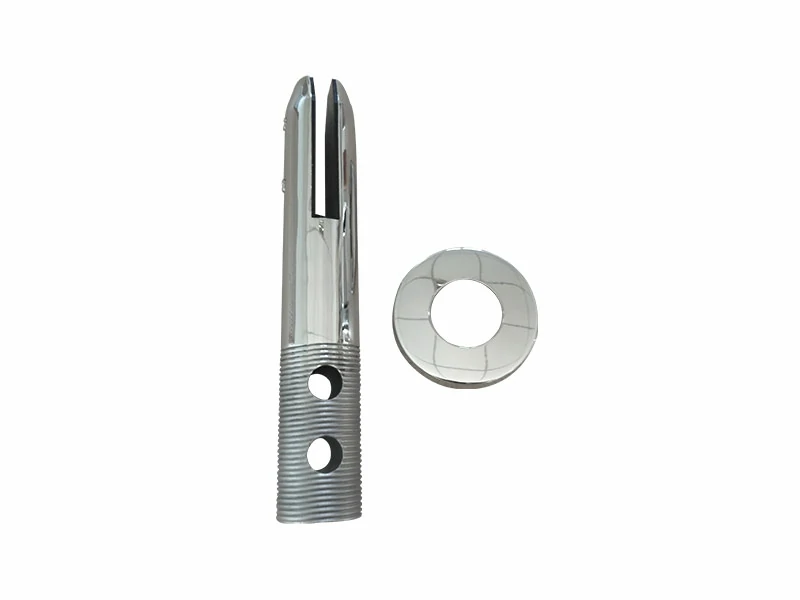
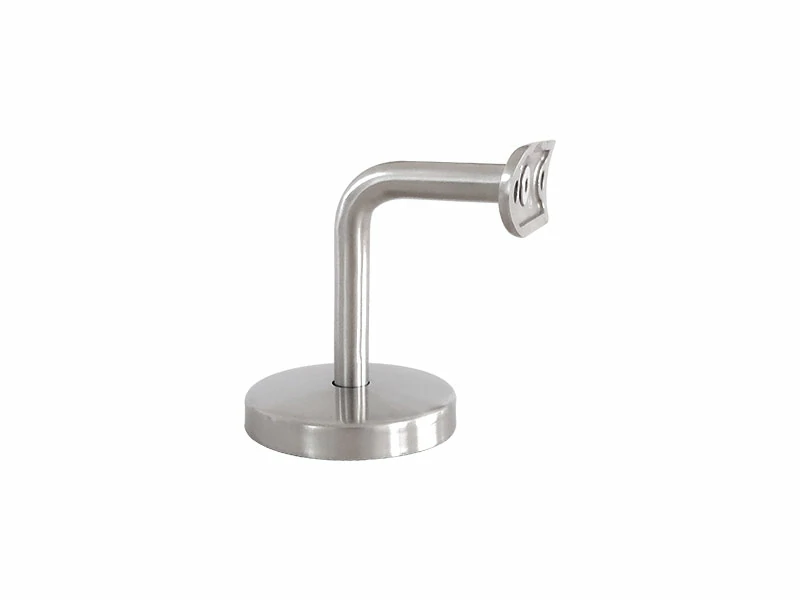
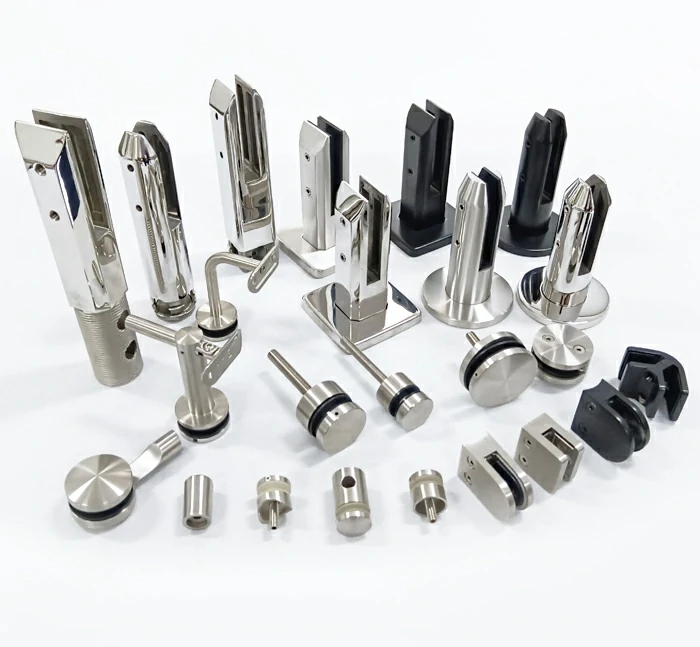
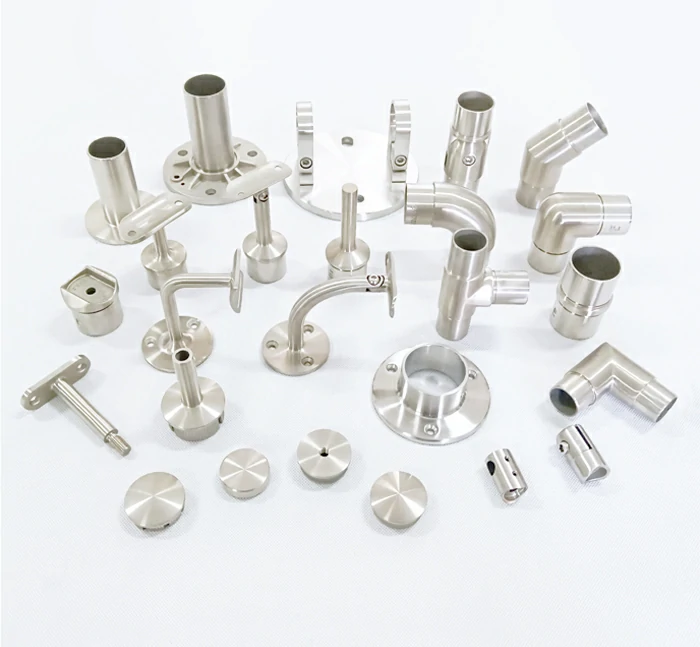
Highco Metal manufactures stainless steel railing fittings, including glass clamps, glass spigots, handrail brackets, tube connectors and mounting components. With stainless steel casting, CNC machining, surface finishing and customization capabilities, Highco Metal supports railing manufacturers, contractors and distributors with hardware solutions for different project requirements.
 |
 |
Conclusion
Railing hardware failure can result from corrosion, excessive mechanical stress, improper component selection, installation errors and inadequate maintenance. Choosing compatible materials, following proper installation practices and conducting regular inspections can help reduce these risks and improve long-term railing performance.
Looking for reliable stainless steel railing hardware? Contact Highco Metal to discuss your project requirements, explore our railing fittings or request customized manufacturing solutions.